07 March 2026
- Team Australia World Baseball Classic
Australia vs Japan: The biggest game most Australians don’t realise is happening
Let me be clear from the start.
This article is not written for Australia’s baseball community.
It’s not for people in Asia who follow the sport closely and it’s not for those already inside the game.
This is for everyone else.
Because right now, Australia’s national baseball team is playing in one of the biggest sporting tournaments in the world – and most Australians have no idea.
Maybe you’re someone reading this who does understand the significance. If so, share it. Tell people.
Because what is happening in Tokyo this week is enormous.
How do we begin?
Australia is playing in the World Baseball Classic (WBC).
The WBC is effectively the FIFA World Cup of baseball. The best players on Earth represent their countries. Major League stars, Nippon Professional Baseball icons, and the best international players all compete in one global tournament.

Don’t believe me? Have a google of ‘Shohei Ohtani WBC Grand Slam.” It’s insane stuff. The best baseball player of all time is in Japan doing unicorn things.
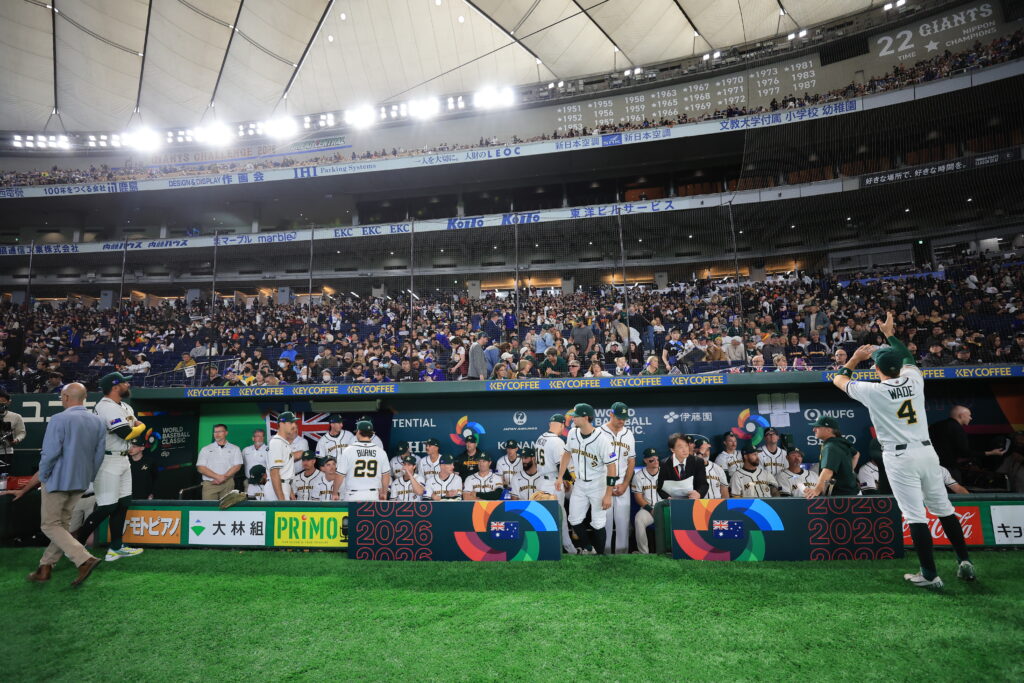
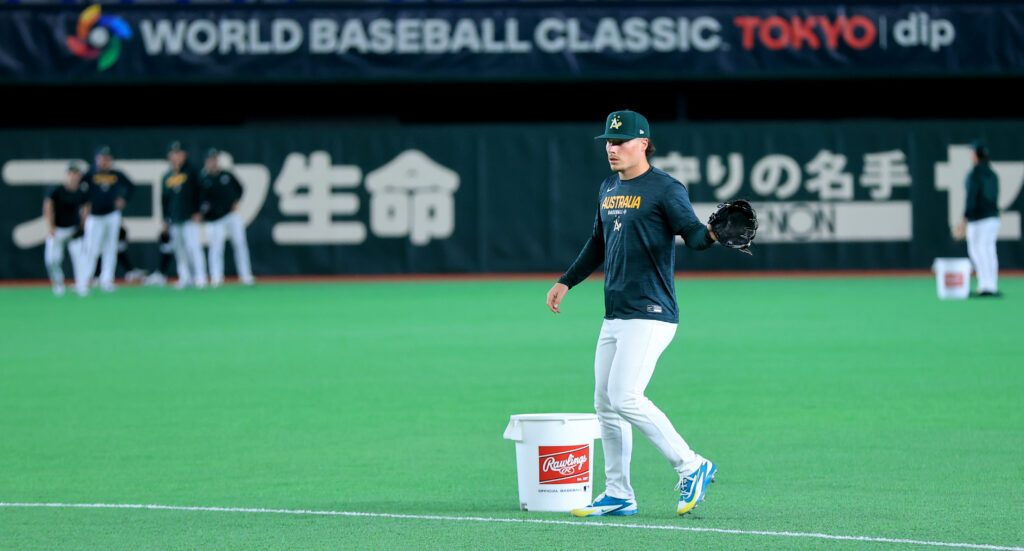
And right now, Australia is in the middle of that atmosphere.
The so called “Group of Death”
Australia entered the tournament ranked No. 11 in the world.
Their pool includes three of the sport’s heavyweights:
– Japan (World No. 1)
– Chinese Taipei (World No. 2)
– Korea (World No. 5)
Round it out with Czechia (#15) who can beat a top team on their day.
It is widely considered the Group of Death.
Only the top two teams advance to the quarterfinals in Miami.
Australia has already made a statement.
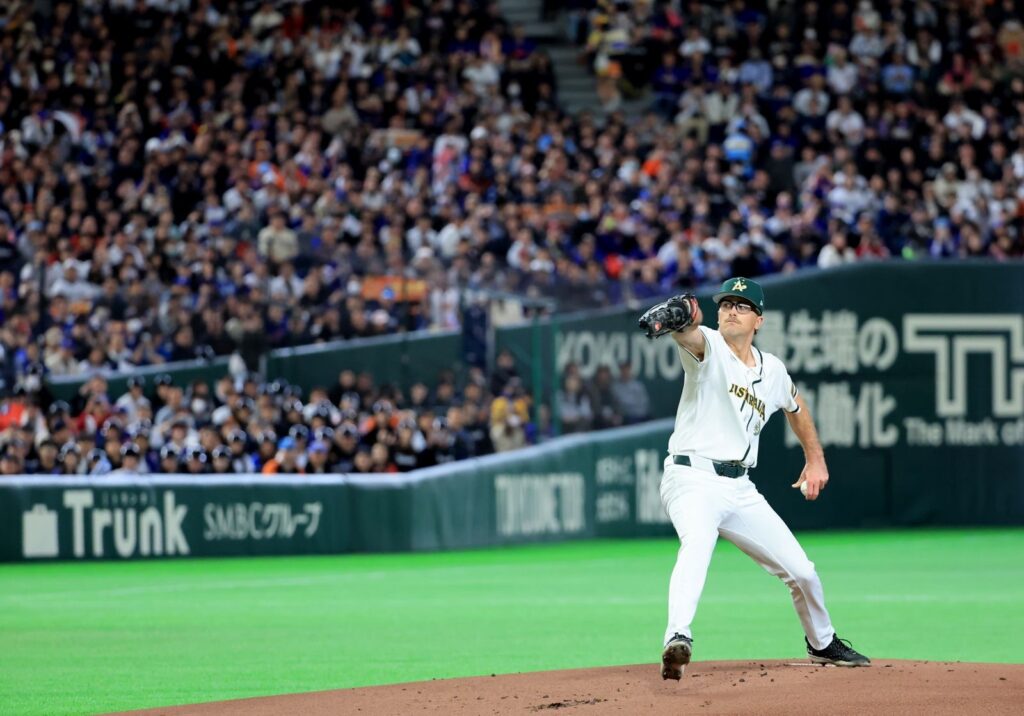
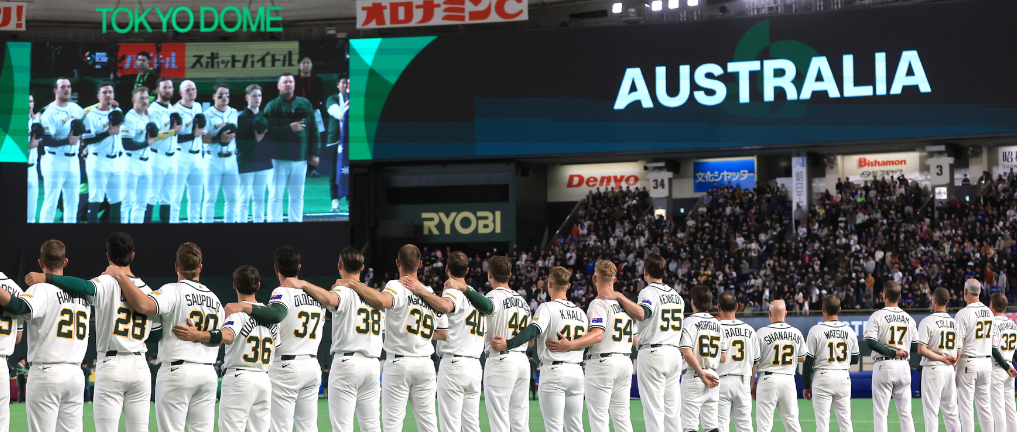
They are 2-0, including a victory over World No. 2 Chinese Taipei in front of nearly 40,000 Taiwanese fans in Tokyo.
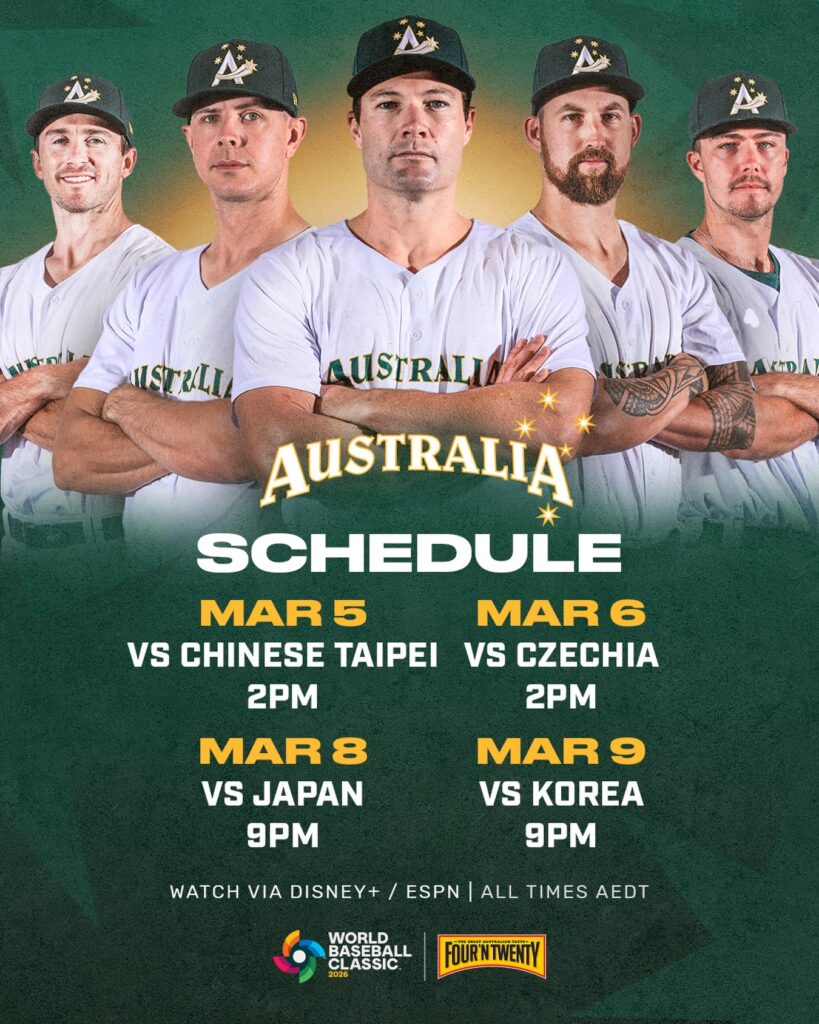
Two games remain: Japan and Korea.
And the next one might be one of the most intense atmosphere you can imagine.
9:00PM on Sunday night (Sydney time) is must see TV to see the impact baseball has globally. Watch on ESPN.
The hottest ticket in Japan
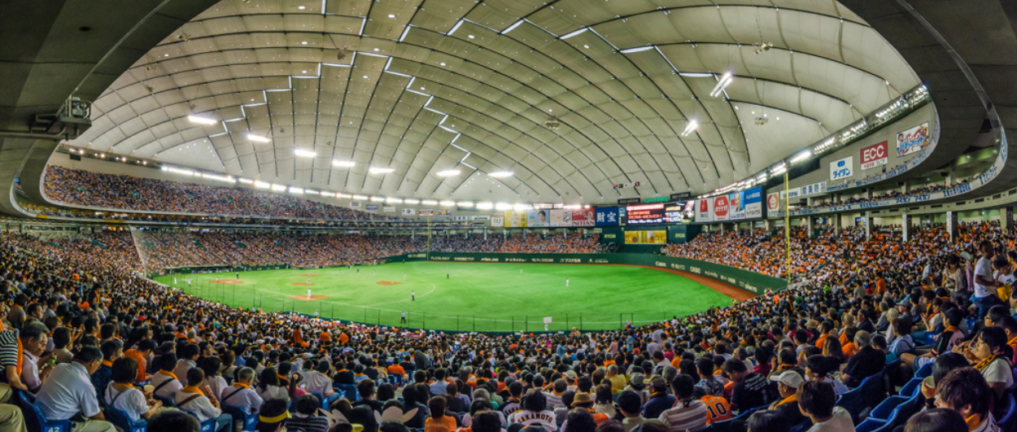
On Sunday 8 March, Australia plays World No. 1 Japan at the Tokyo Dome.
Yes…that Japan. The reigning World Baseball Classic champions. The country of Shohei Ohtani. A baseball superpower that did not lose a national team game between 2019 and 2024.
The scale of this event is difficult to explain to an Australian audience.
But the numbers help.
380,000 people reportedly queued online for tickets to the Australia–Japan game.
Merchandise stores around the Tokyo Dome have wait times of up to eight hours.
The Emperor of Japan will attend the game, the first time a Japanese emperor has attended baseball in 67 years.
The last time Australia played Japan in the World Baseball Classic, more than 40 million Japanese viewers tuned in. That’s more than the entire population of Australia.
It’s a national event, not just a ‘big game’.
Imagine if Todd Van Steensel’s beloved Taylor Swift was famous. That’s what it’s like here.
Baseball is king in Japan
In Australia, baseball is often viewed as a niche sport.
There are roughly 34,000 registered players across the country. It’s a small number compared to AFL, cricket or rugby.
But globally, the sport sits on a very different stage. In Japan, baseball is the number one sport by far.
The passion is difficult to compare directly with anything in Australia. The closest parallel might be cricket during an Ashes series but even that might not capture the intensity.
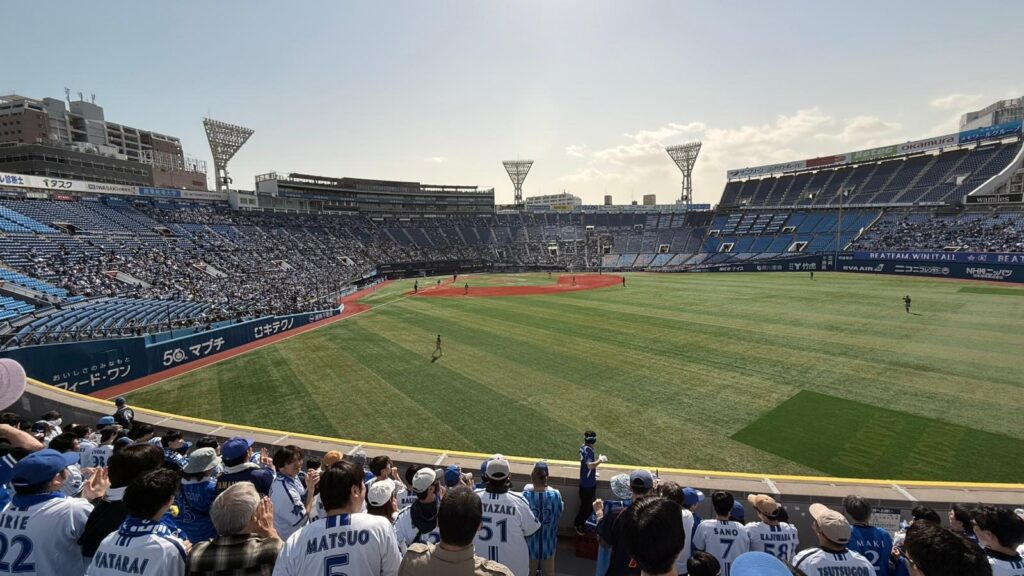
Fans line up for hours for merchandise.
Media coverage runs wall-to-wall.
Television audiences reach tens of millions.
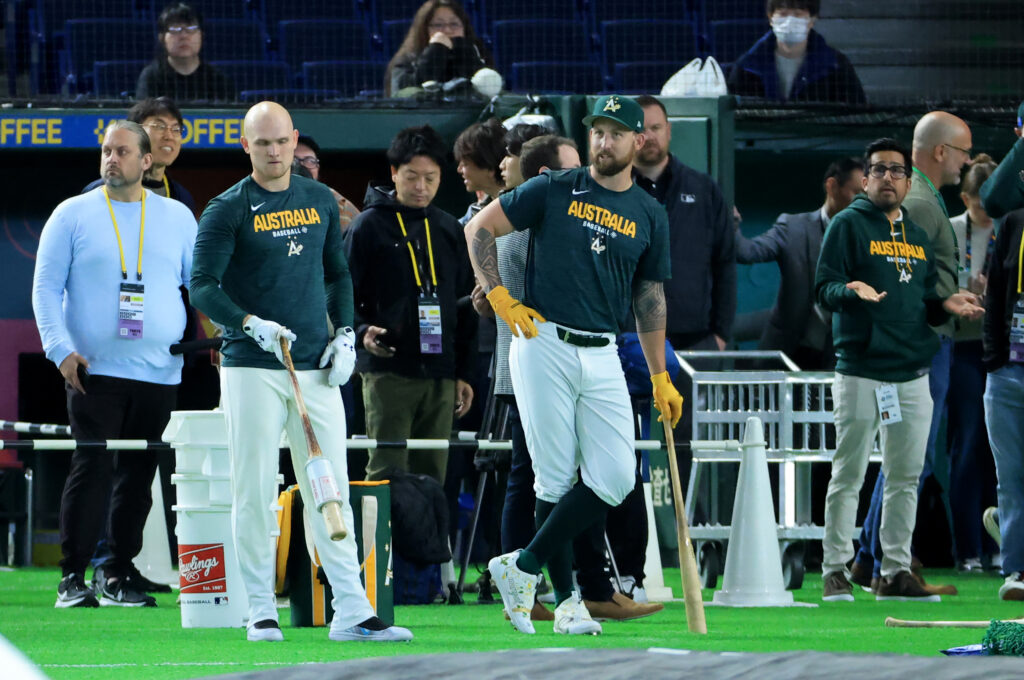
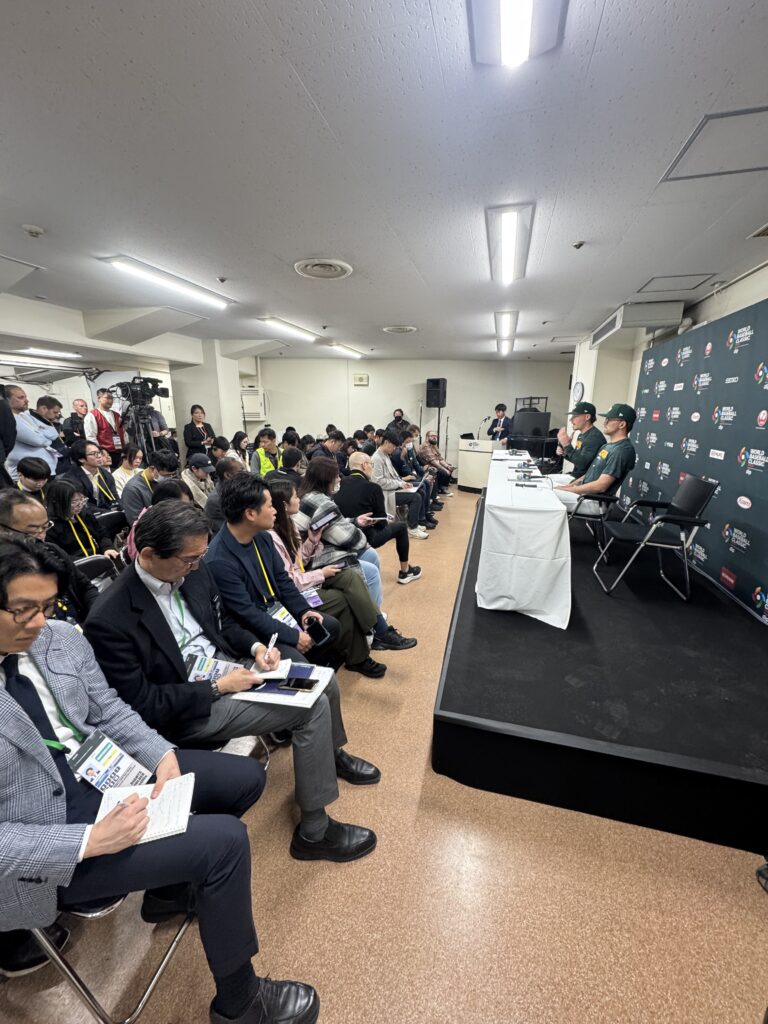
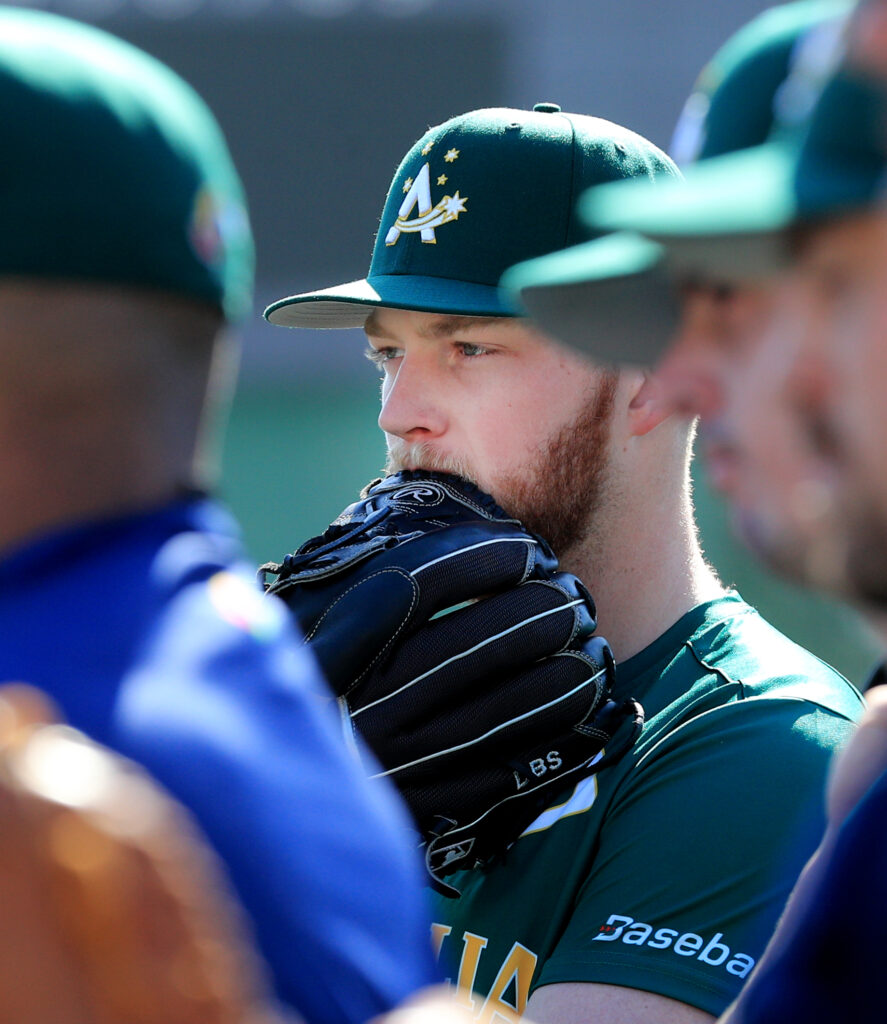
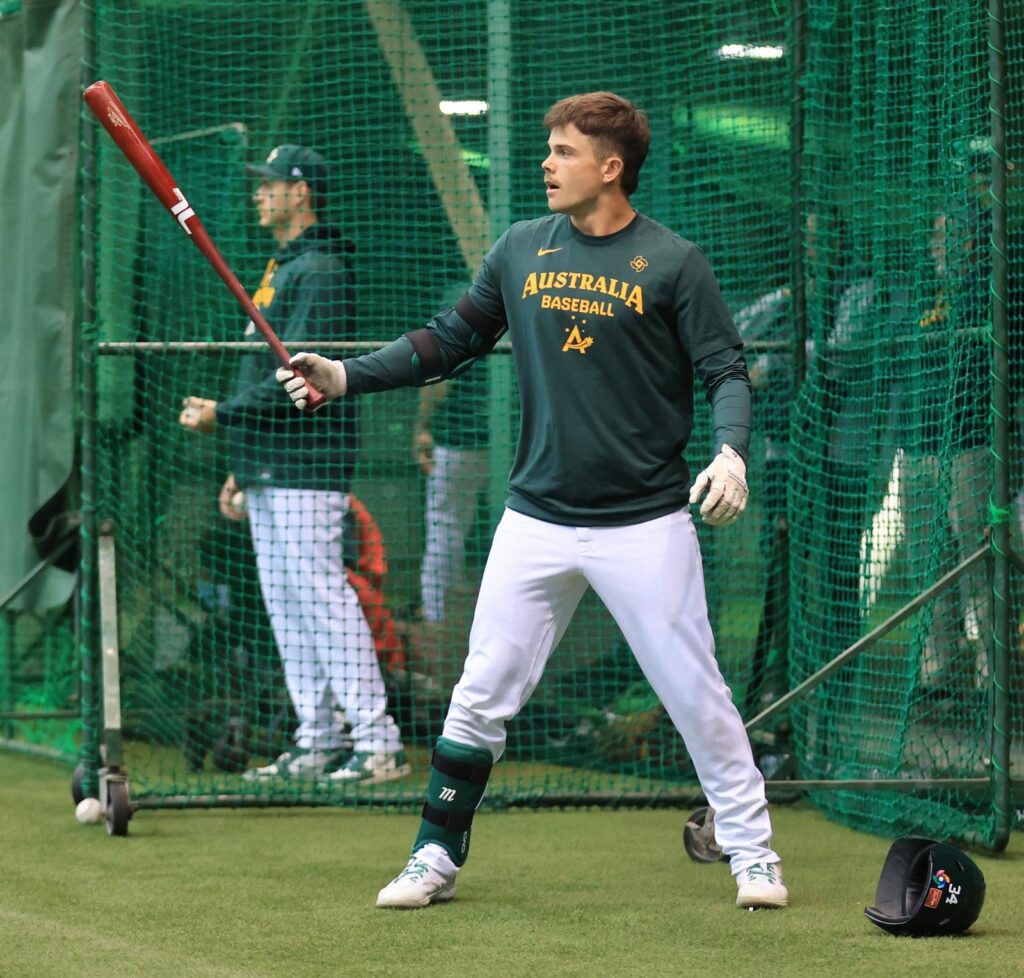
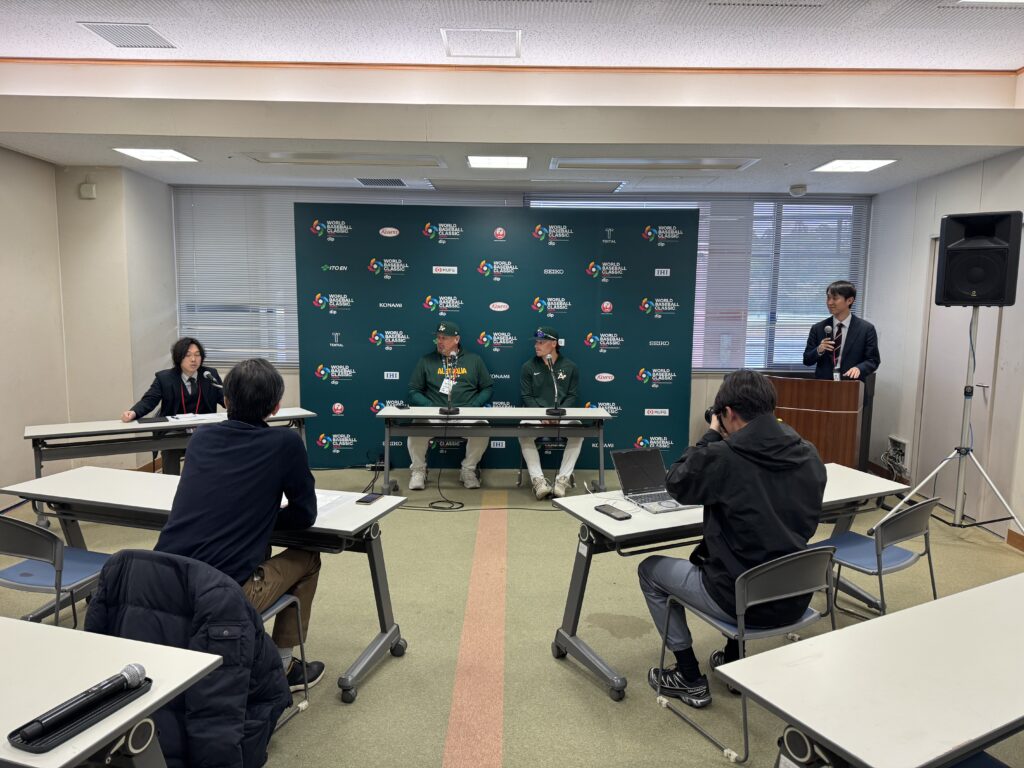
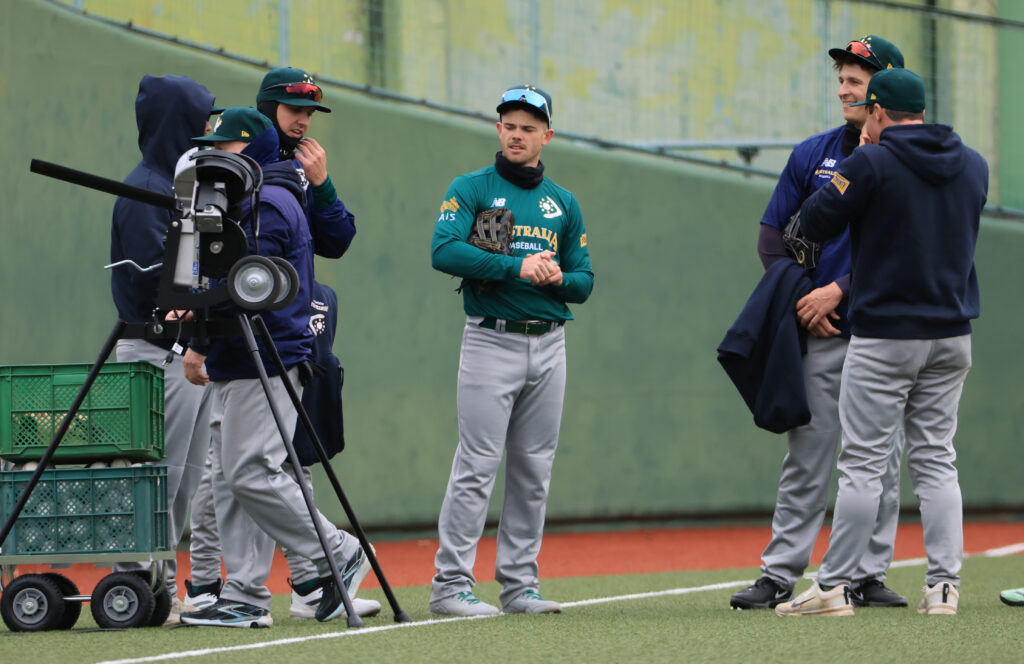
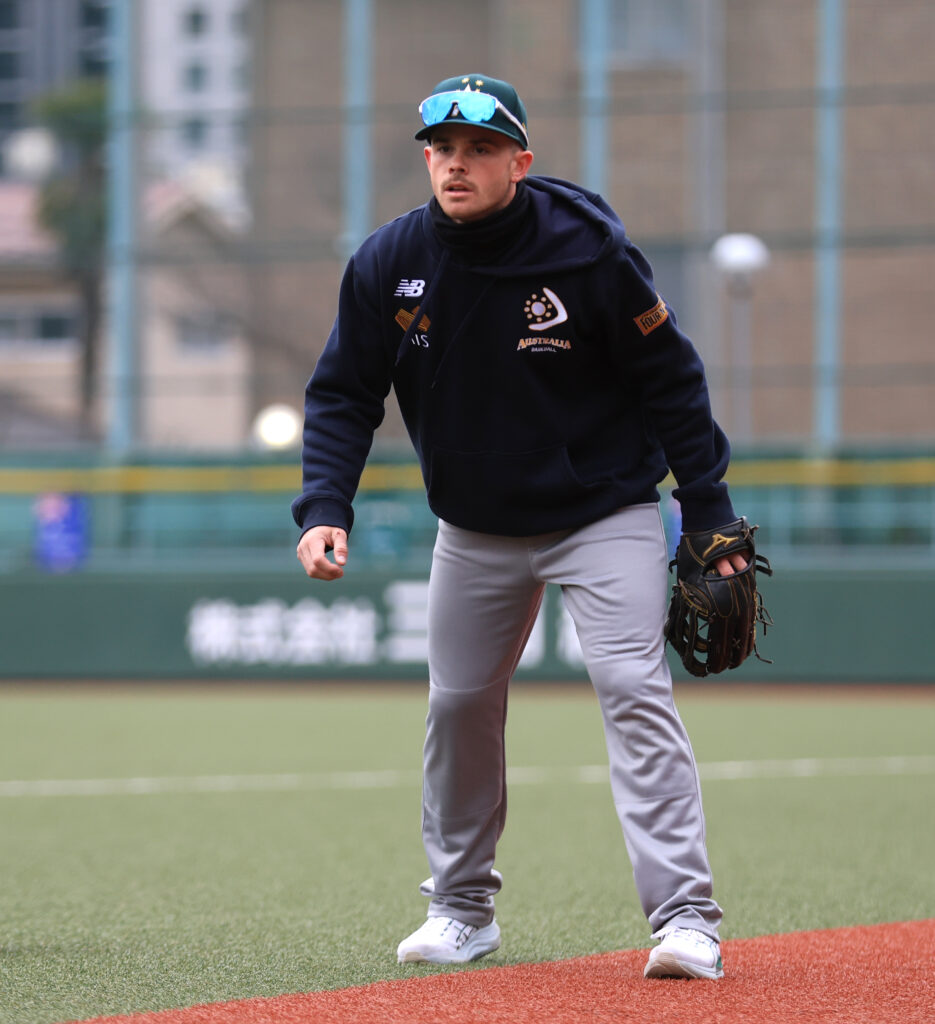
Even within the Tokyo Dome this week, the scale is obvious. Australia’s players walk into press conferences with 60 media members packed into the room, with more reporters waiting outside for interviews during batting practice.
The attention is relentless.
In the two weeks before the tournament began, Team Australia’s X account has reached 15 million users – 98% of them in Japan.
Australia’s baseball history is stronger than many realise
Baseball may not dominate headlines at home, but Australia has quietly built a proud international history.
The men’s national team has been competitive with the world’s best for decades. Australia won the 1999 Intercontinental Cup, defeating Cuba in the final. They won a silver medal in the 2004 Olympics.
The women’s national team has won multiple World Cup medals, including silver in 2010.
Australia climbed as high as No. 6 in the world rankings before the pandemic.
At the last World Baseball Classic, Australia defeated Korea and reached the quarterfinals for the first time, eventually losing to powerhouse Cuba by one run.
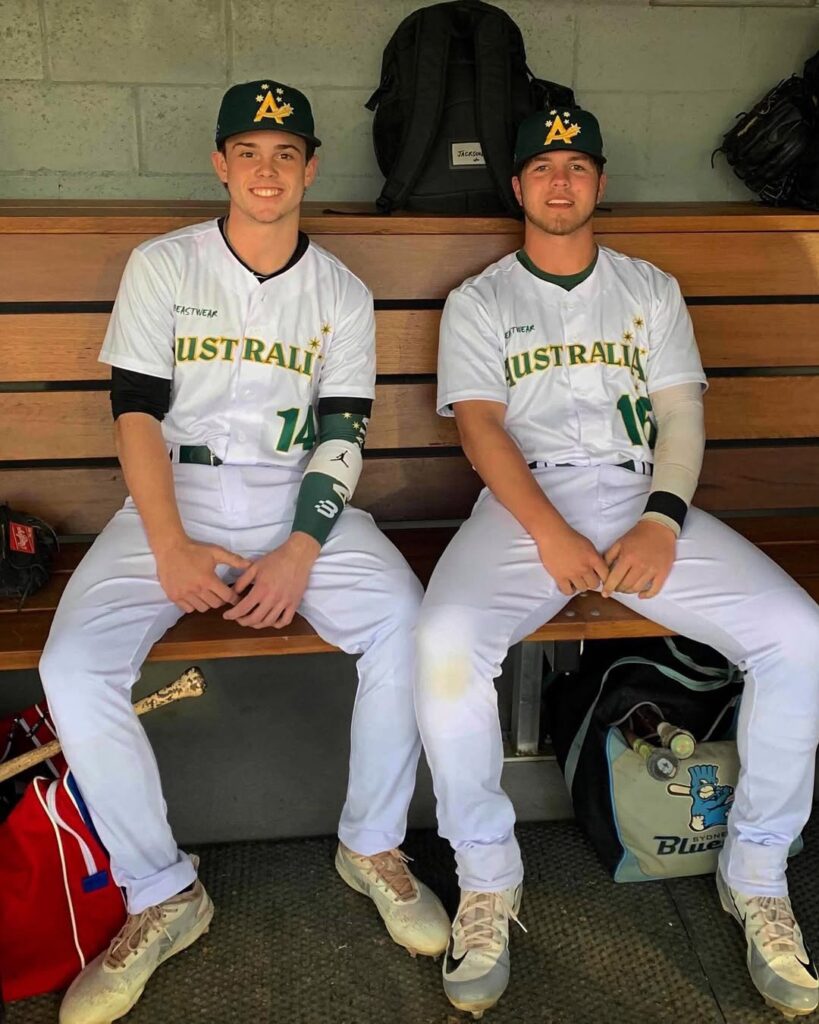
It’s home to the 2024 #1 MLB Draft Pick in Travis Bazzana. There are over 30 Australians playing professional baseball abroad, about 120 in college.
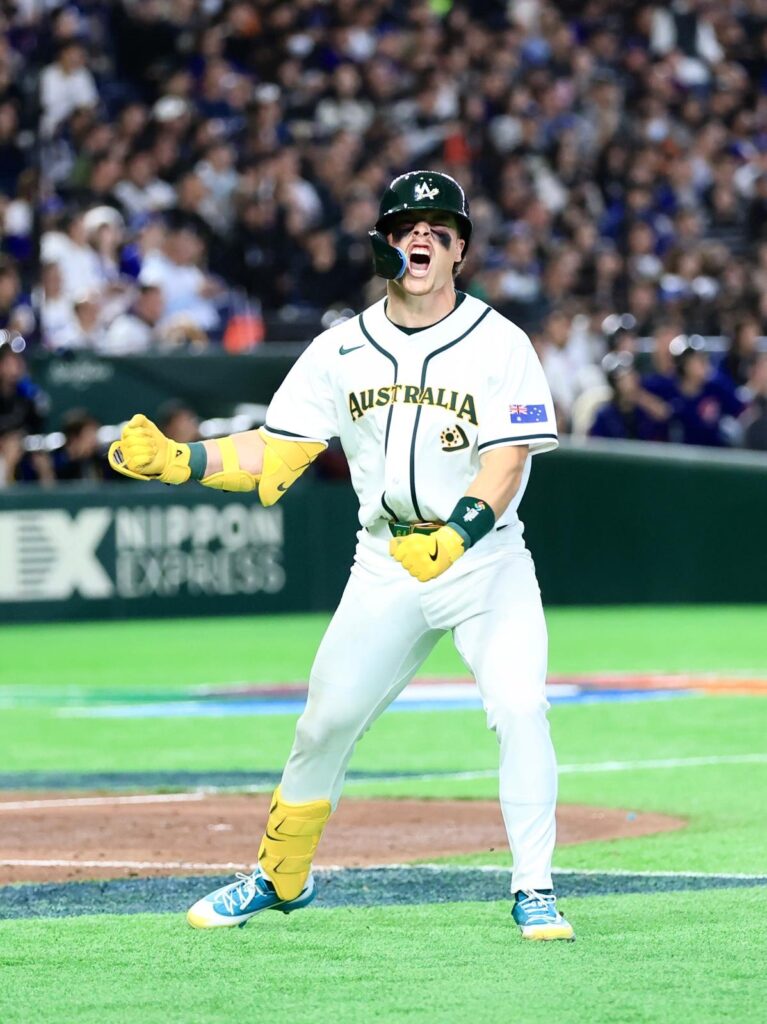
This is no longer a nation simply hoping to compete.
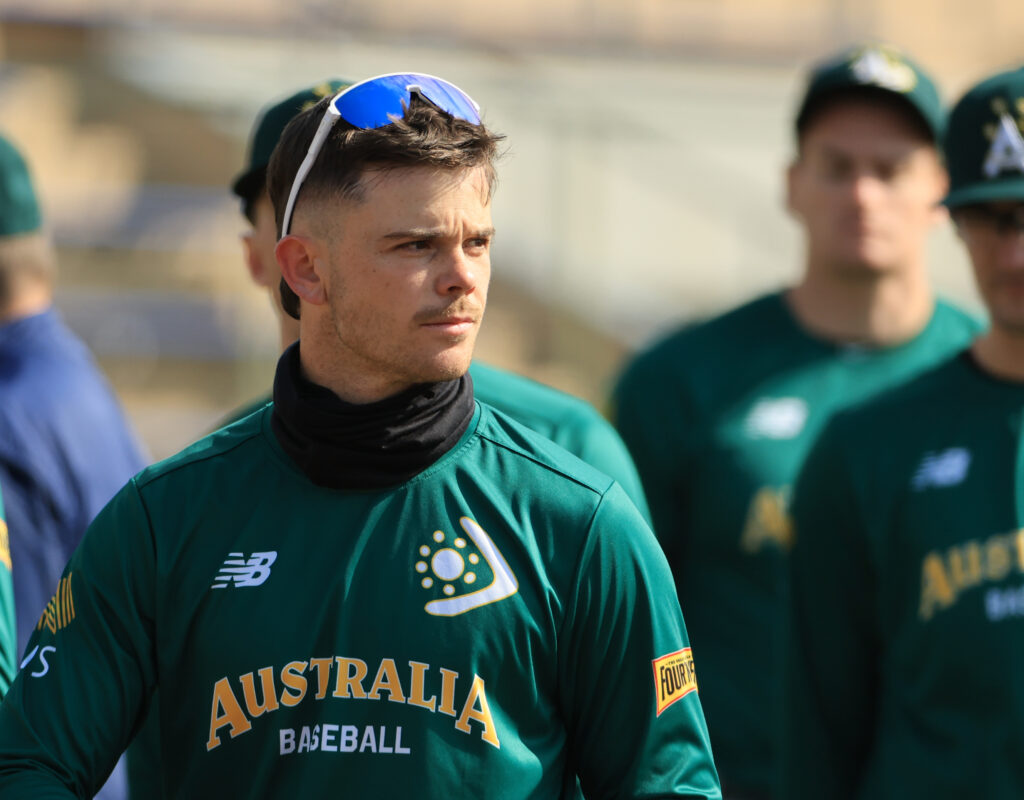
Manager Dave Nilsson made that clear this week in Tokyo.
“This tournament is so important to the smaller nations,” Nilsson said. “I feel like we as a nation have transitioned away from that now. We have really high expectations and we don’t consider ourselves a second-tier nation. We kind of feel we’re right in the mix of it now.”
It’s one of the reasons players didn’t love a comment from the media that called their 3-0 win over Chinese Taipei shocking.
“I don’t know why people keep thinking these are upsets,” said Robbie Perkins after the game. “We beat Korea last time, and we beat Chinese Taipei today. I think we’re there with the best in the world on any given day. I think we need to start acknowledging we can give it to them.”
A moment Australians shouldn’t miss
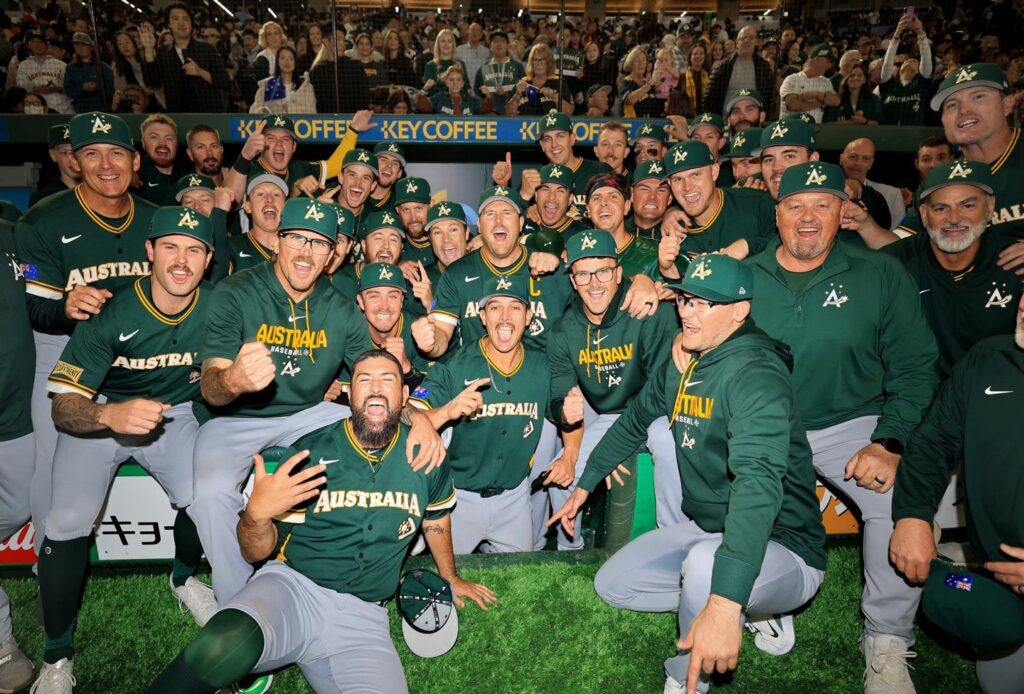
All of this leads to Sunday. Australia versus Japan.
And while the key game to advance out of the group is Korea, this one carries significant weight.
The world’s top-ranked team. The reigning champions. A sold-out Tokyo Dome. Tens of millions watching on television.
And somewhere in the middle of it all there’s a group of Australian players representing a sport that doesn’t always get the spotlight at home.
For many of them, this will be the biggest stage they ever play on.
For the rest of the world, it’s already must-watch sport.
And maybe, just maybe, Australians might start paying attention too.