20 February 2026
History: Olympics Team Australia World Baseball Classic
Growing Up Green and Gold: Chris Burke’s journey through national teams to the World Baseball Classic
After nearly a decade in Australia’s national program, Chris Burke earns his first senior team call up at the World Baseball Classic.
Story by Eric Balnar, part of the Aces Sporting Club stories from Training Camp. Photos: Scott Powick
—
When Chris Burke saw the message from Dave Nilsson pop up on his phone, he didn’t open it straight away. He was driving to the Victorian Institute of Sport. The music was on. The day felt normal.
Until it wasn’t.
He turned the volume down, finished the drive, and sat with what the note from Australia’s national team coach could say.
Then he opened the message.
He had made the World Baseball Classic team.
“A lot of emotion and a lot of pride right away,” Burke said. “I still get goosebumps thinking about it.”
For some players around the globe, a World Baseball Classic debut marks the start of their international journey.
For Burke, it is the continuation of one that began nearly a decade ago.
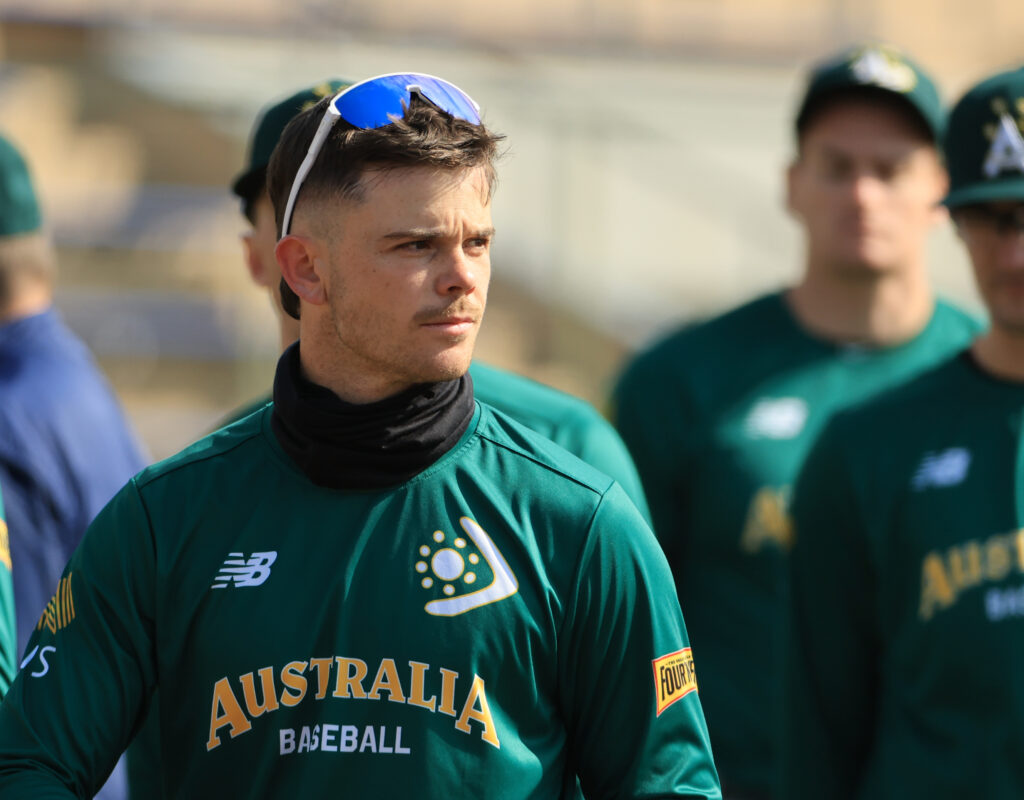
Growing up inside the program
Long before the senior call-up, Burke had already worn the Australian uniform at nearly every level available — from the U15 World Cup through the U18 and U23 tournaments to the Asia Professional Baseball Championship (APBC).
The first time he put on the national team uniform was in 2016 at the U15 World Cup.
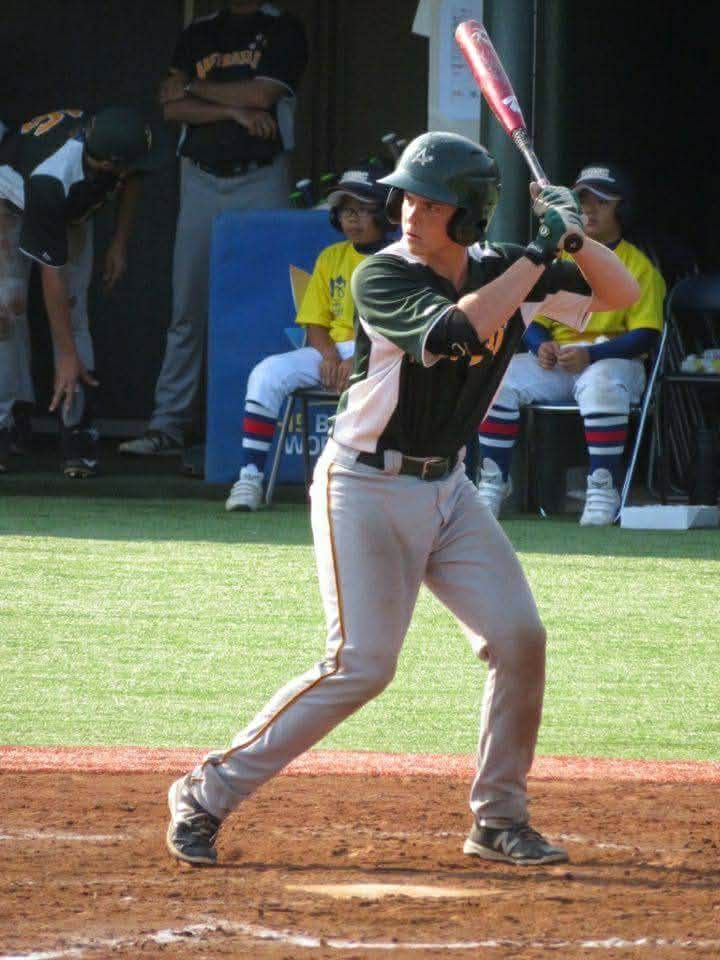
“It feels like I’ve been part of this program for a long time,” Burke said. “I’ve played under a bunch of the same coaches on this staff, and with players I’ve grown up with.”
That continuity is one of the defining strengths of Australian national baseball, according to Baseball Australia CEO and Olympic silver medallist Glenn Williams.
“I think the Junior National Teams are important for several reasons,” Williams said.
“To represent your country at any level is special, but it represents the system and community we have in Australia. There are so many people who help these kids get on junior teams — from clubs, state associations, coaches and personal coaches. But mainly it means a lot to families. They support them emotionally and financially.”
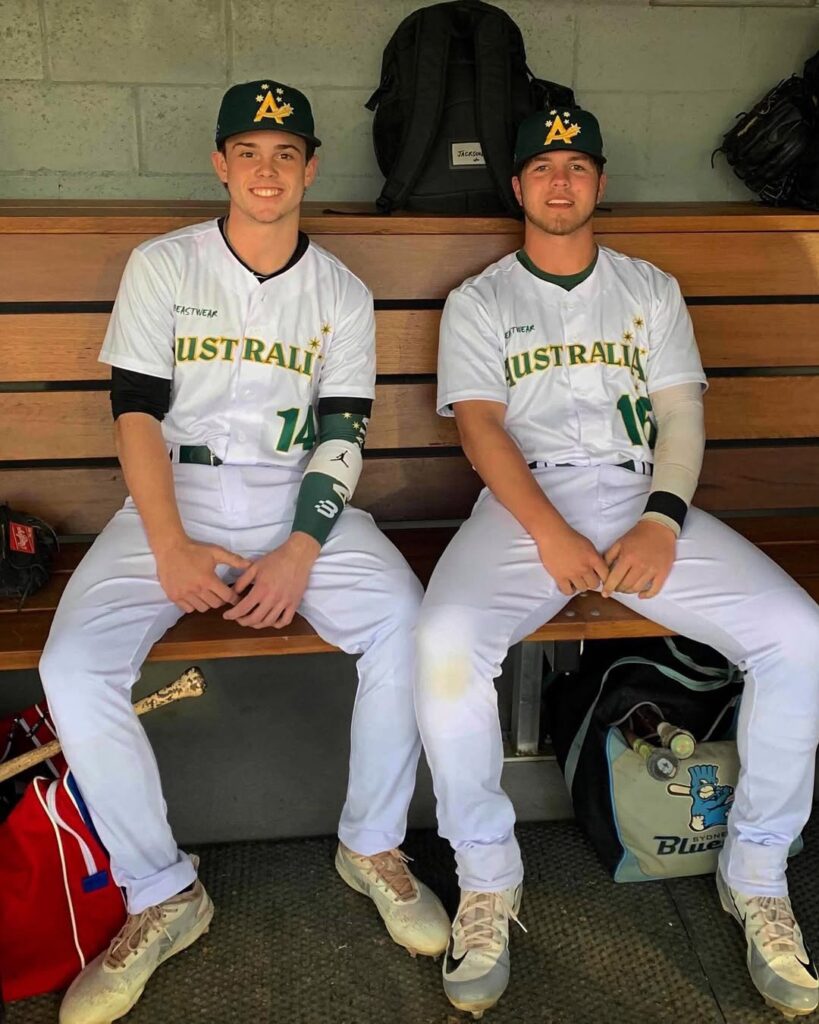
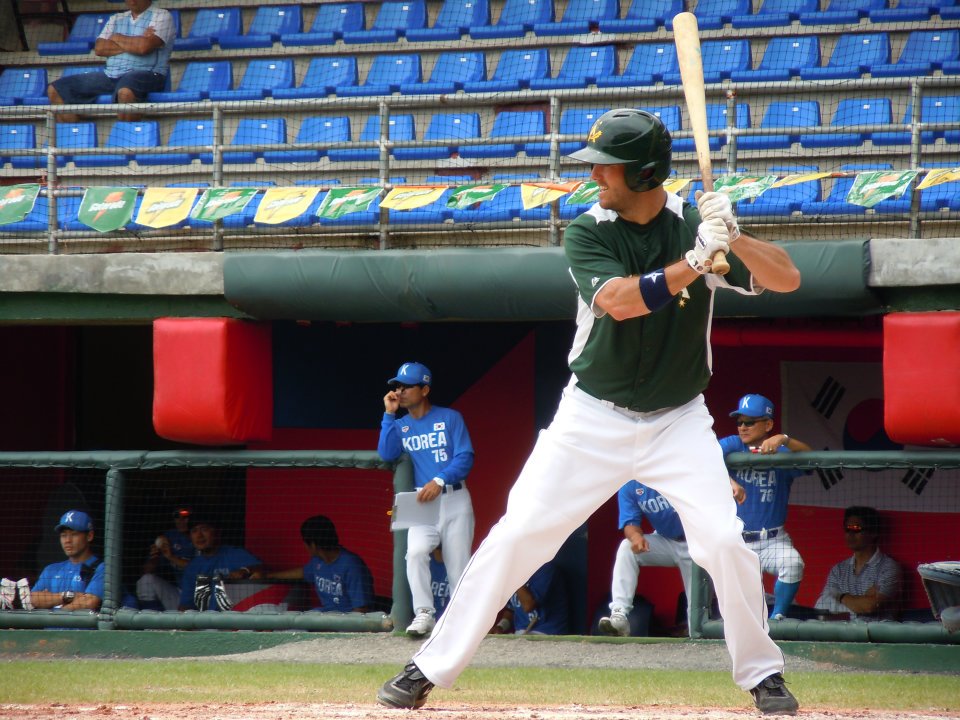
Above: Chris Burke at the U18 World Cup in 2019
Williams added that junior international results don’t just shape players – they shape the national program itself.
“How we perform at a junior level trickles to the senior team, we earn world ranking points for how we do at these events,” says Williams.
Burke himself was part of that pipeline.
“Chris played on a team in Korea that finished fourth in an U18 World Cup and gave our senior team a chance to play in the Premier12,” Williams said. “So he — and everyone who has played for us — is already part of the team and has been.”
From junior teammates to senior squad
Because of that shared pathway, stepping into the senior clubhouse feels less like joining a new team and more like reconnecting with old ones.
“It’s cool seeing some of these guys. You can go a year without seeing them, but when you do it’s like you saw them yesterday,” Burke said. “It feels like a reunion. The culture we have here is like family.”
Among those familiar faces is pitcher Kieren Hall, who has represented Australia alongside Burke across multiple junior tournaments and international events.
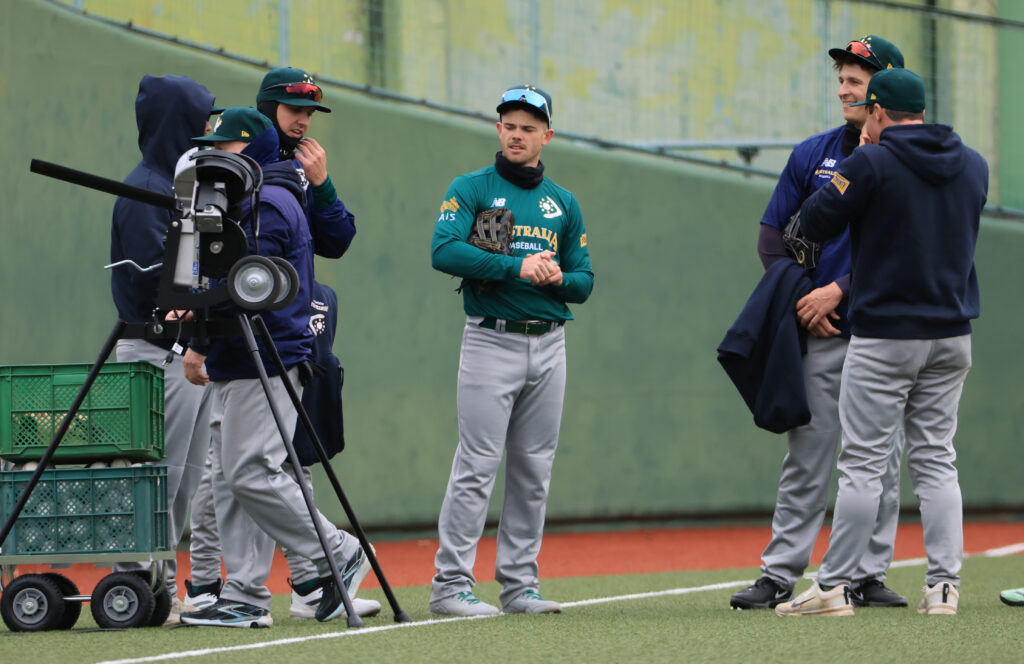
One of those includes closing out an Under 18 World Cup win over Japan. Hall was the closing pitcher, Burke was the catcher.
“That was a special moment to share with Chris Burke,” Hall said. “It’s crazy we’ve got to share that together and now [we’re here in Japan] together.”
Williams says those lifelong baseball connections often become some of the most meaningful parts of representing Australia.
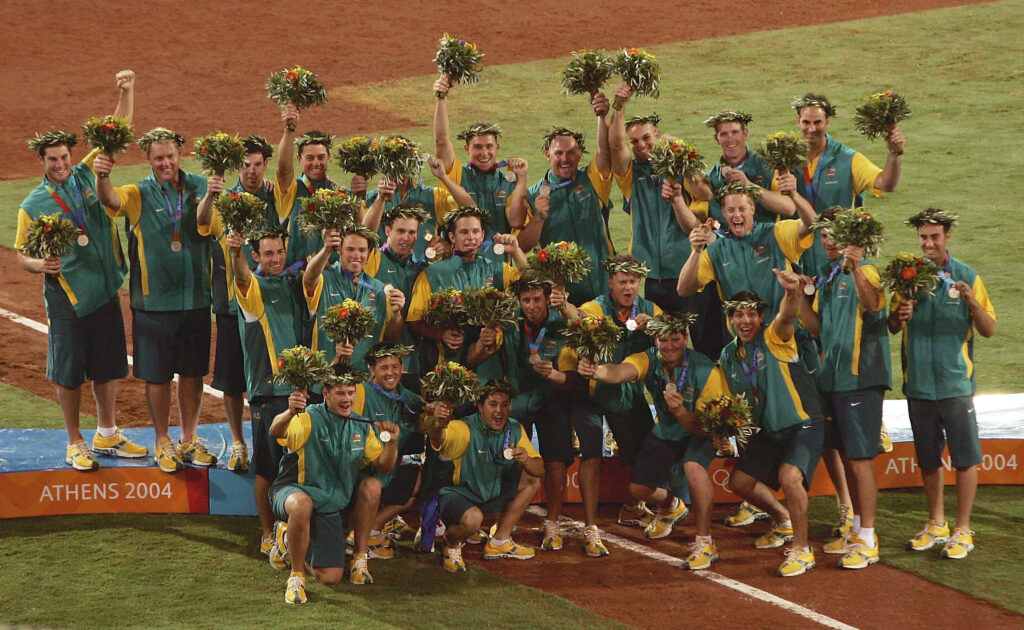
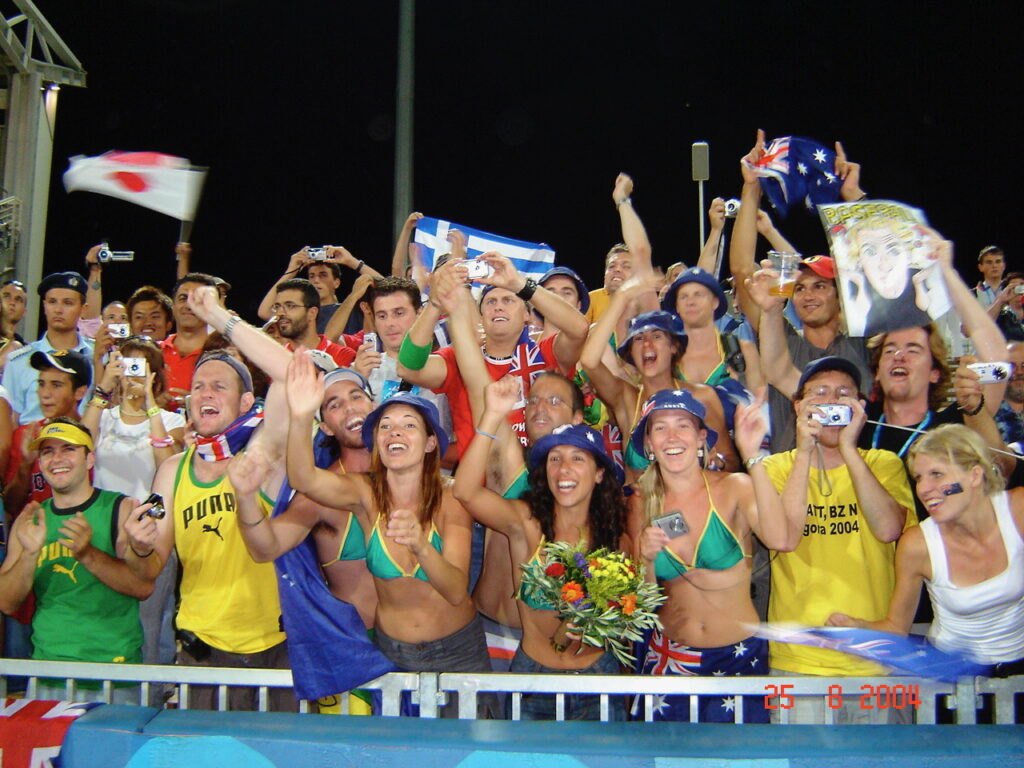
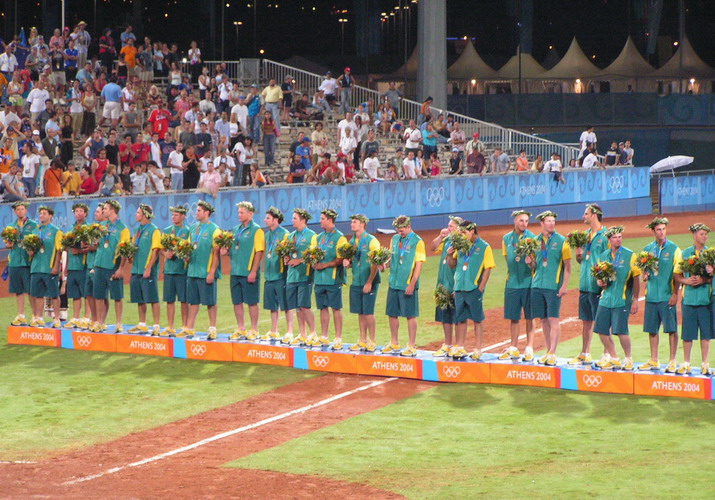
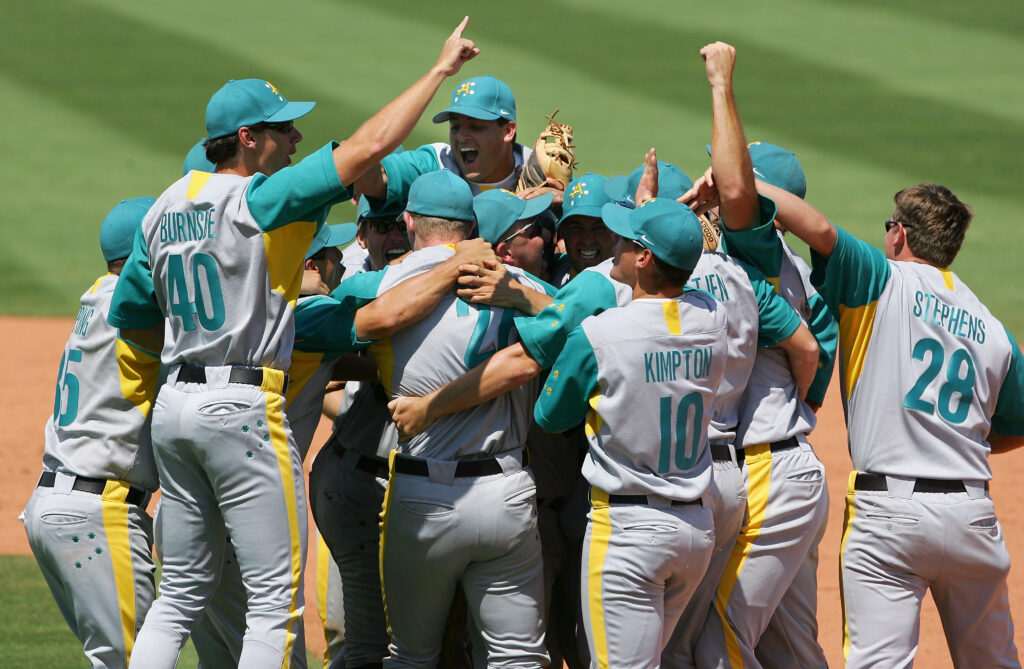
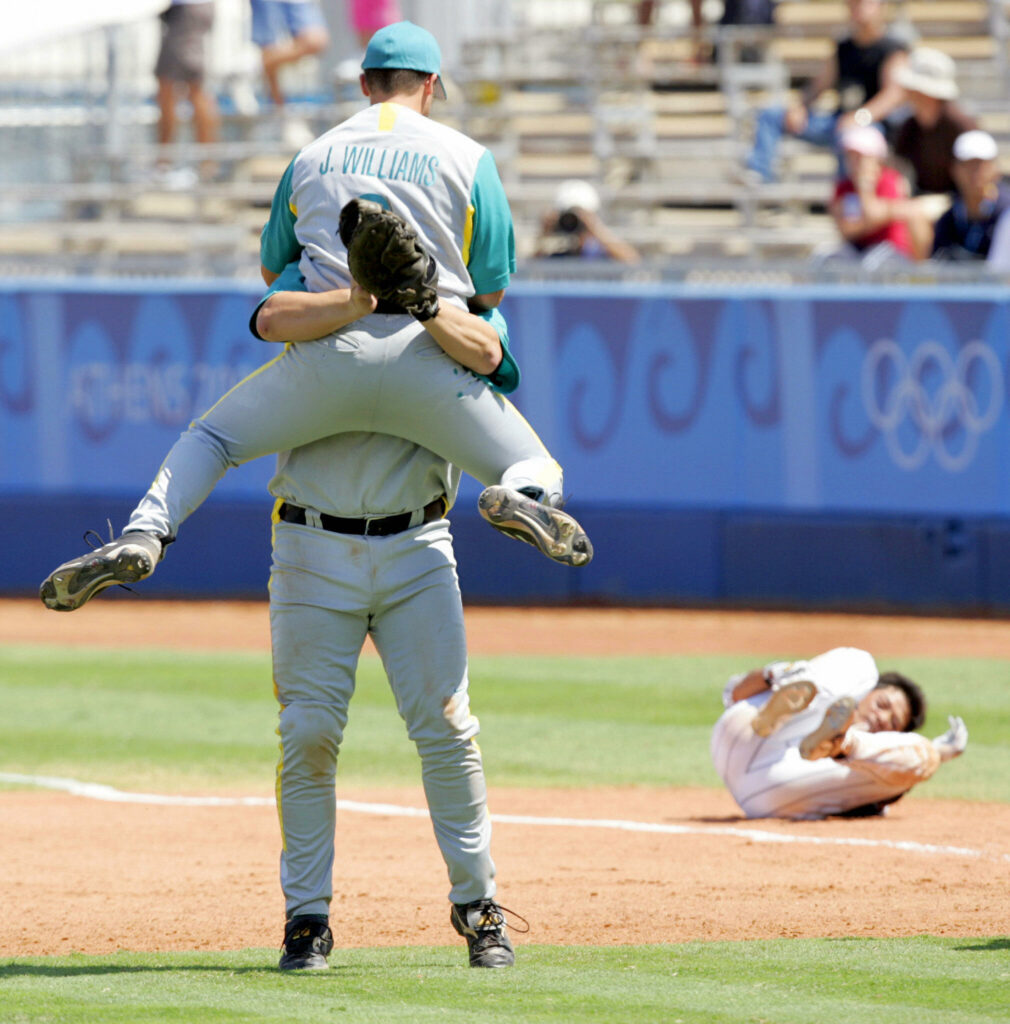
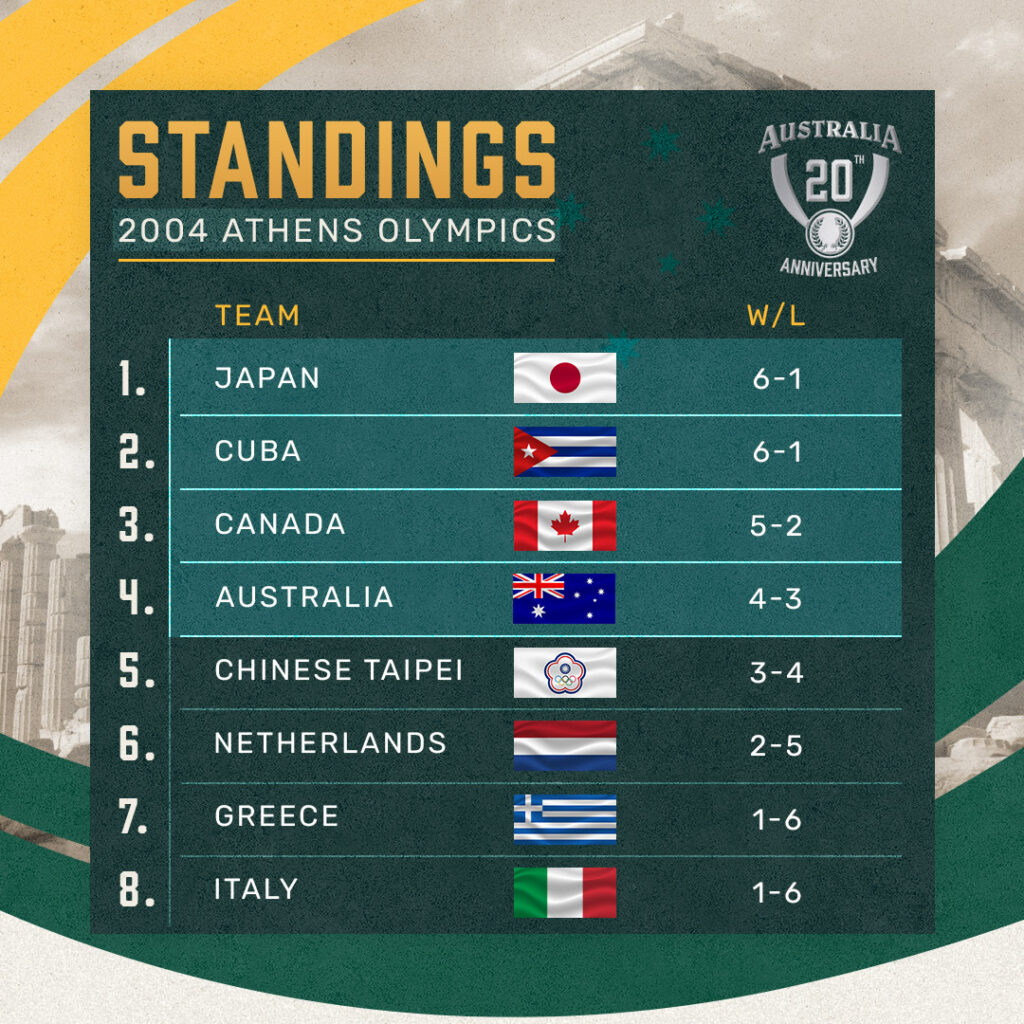
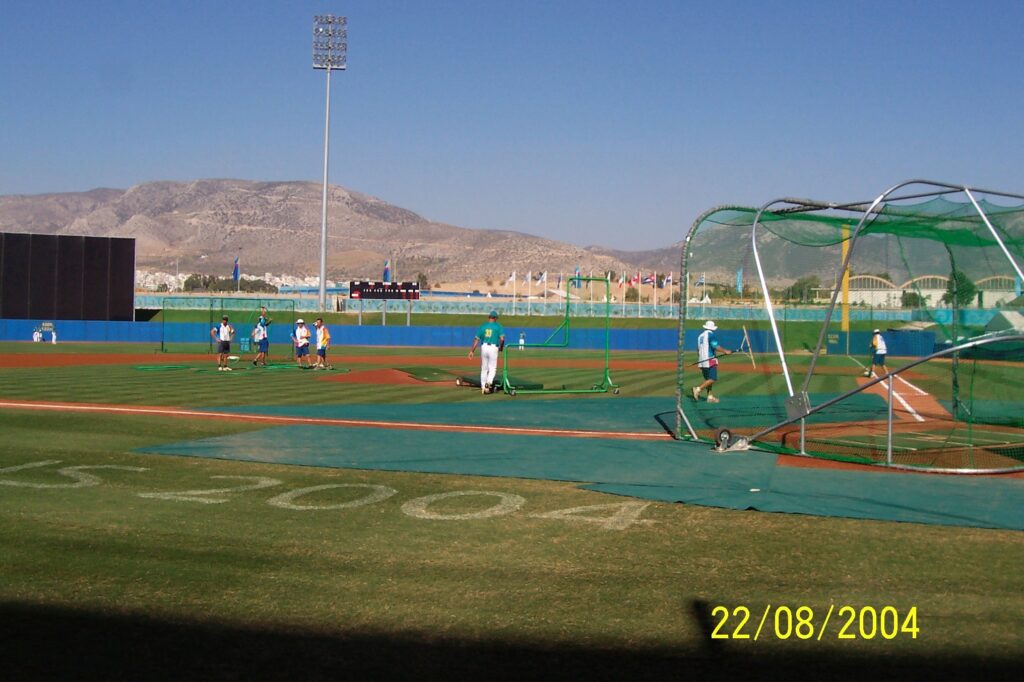
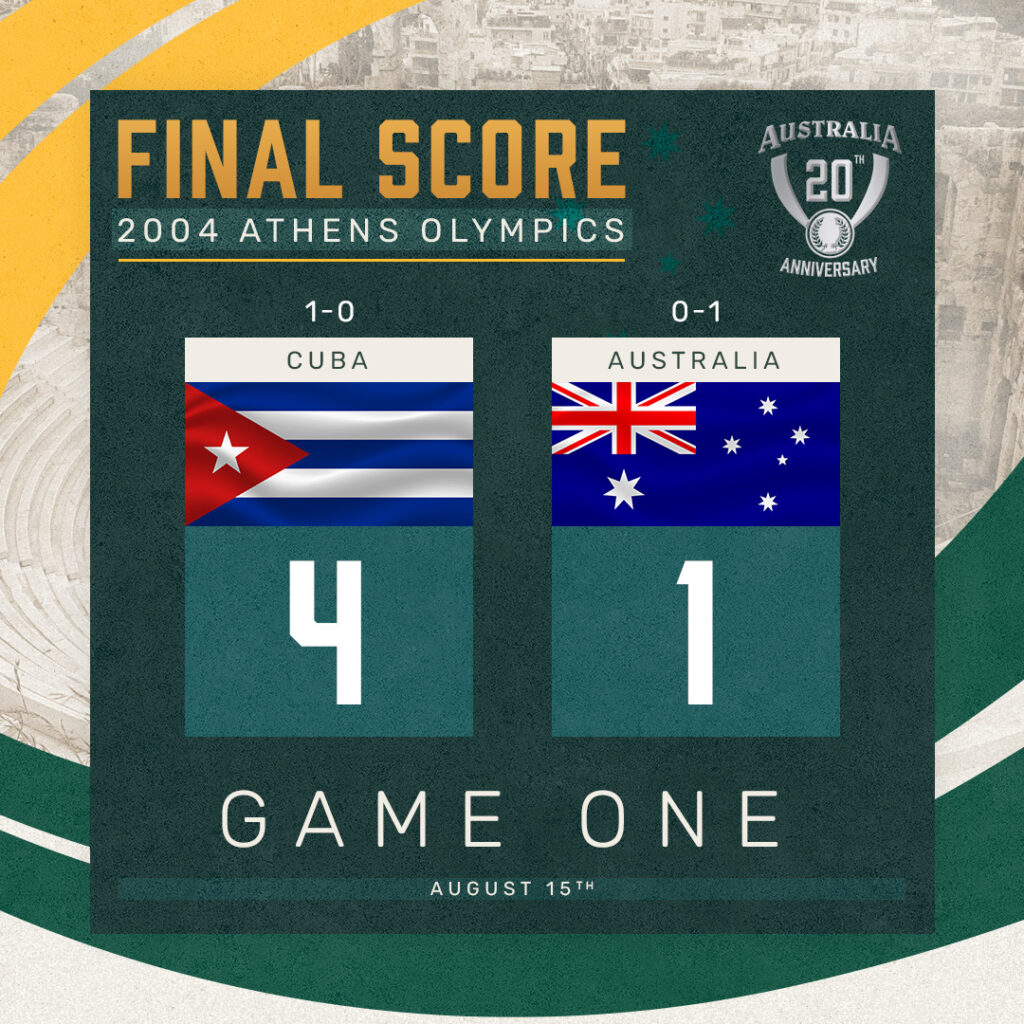
“One of the coolest memories of my career was beating Japan twice in the 2004 Olympics alongside one of my best mates,” he said.
“You play together as juniors, go different professional ways, then come back together and represent your country. I’m sure Chris and players like Kieren Hall have those same war stories.”
Built for tournament baseball
Burke’s long history in Australian teams hasn’t just been about appearances. It has included defining moments on the international stage.
In 2019, he caught Australia through to the Super Round of the U18 World Cup.
In 2022, he was named to the Team of the Tournament at the U23 World Cup.
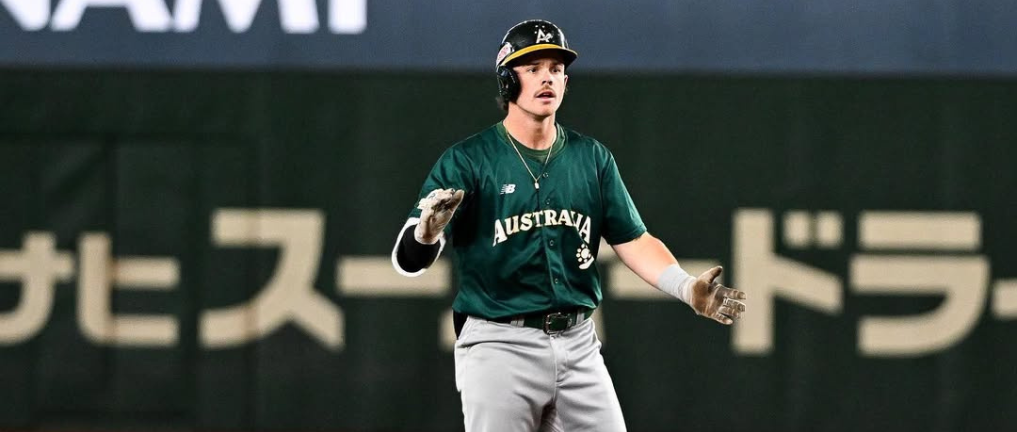
At the 2023 Asia Professional Baseball Championship in Japan, Burke delivered a key double that helped spark a grandstand of local fans cheering Australia into a frenzy.
And in 2024, he produced another standout U23 campaign, including a five-RBI performance in one game.
Burke believes tournament baseball brings out the clearest version of himself as a player.
“I’m the person I want to be when I am playing for Australia,” he said. “My head is extremely clear. There’s one goal and that’s to win. I don’t care about stats. I care about our teammates and I care about winning.”
“If I go 0-for-4 but make a play in the field… tournament baseball is about being present, being focused and finding a way to win with your teammates.”
Adversity and persistence
Signed as a teenager, he spent time in professional baseball before being released at just 21 years old — a moment that could have ended the path entirely.
“There were hard moments. This game is up and down,” Burke said. “It’s a tough thing when someone tells you you can’t play this game and get paid for it anymore.”
MORE FEATURES: Josh Hendrickson and his 600 day recovery in baseball
The experience ultimately reshaped how he viewed both his career and his role within a team.
“When I was 21 I thought I knew everything. I knew nothing,” he said.
“One thing I learned is to be adaptable, not be frustrated, embrace your role, and understand the goal is to win games.”
Instead of stepping away, Burke stayed connected to the national program that had shaped his career.
“The door is never closed,” he said. “If you keep working, keep staying in the program… there’s always people there who want to help you in the right way.”
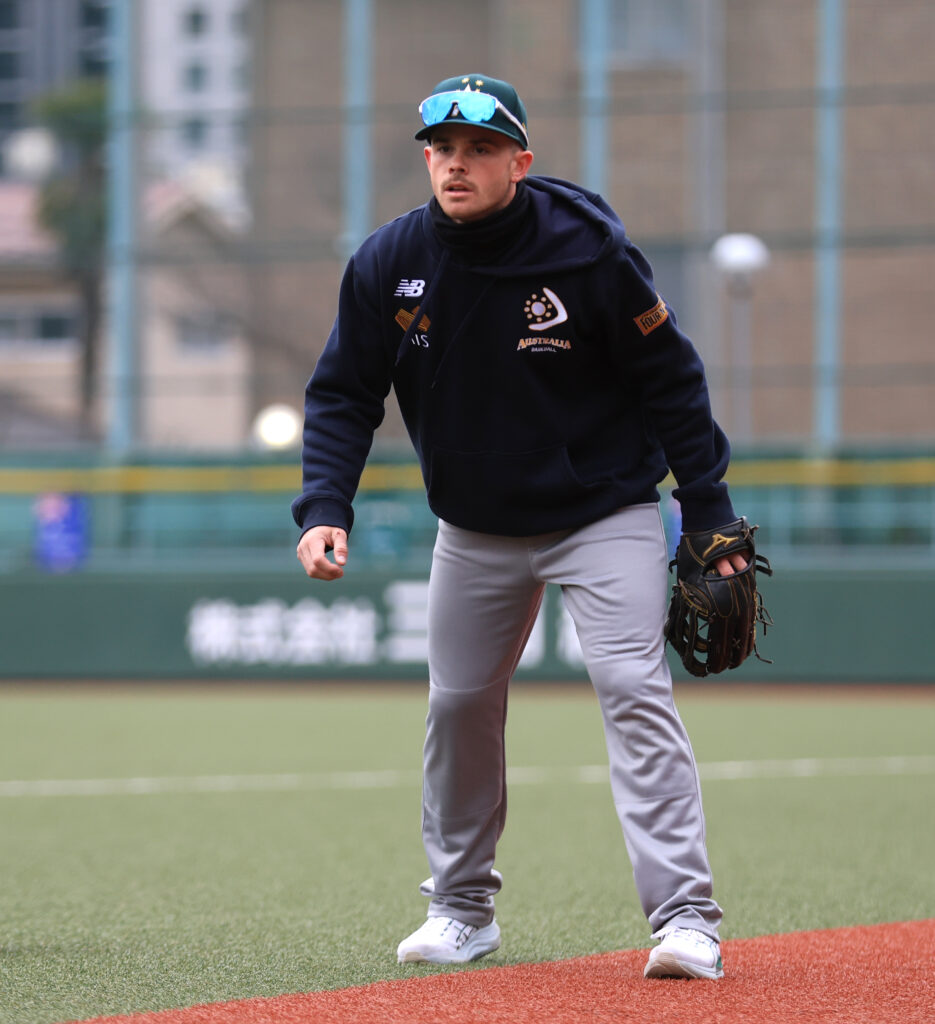
What the jersey means
Despite the World Baseball Classic representing the highest level of international competition, Burke says the meaning of the Australian jersey itself hasn’t changed.
“Every time you put this jersey on, no matter what level, it’s special,” he said. “It makes you feel grateful for everyone that got you here — my parents, junior coaches, little league, my family, teammates, state teams. I get to represent all of them.”
Williams has seen that journey from the very beginning.
“It’s what makes this role so special, watching the growth of humans,” he said.
“I remember Chris when he was seven years old at a tournament in Geelong. He was getting rocks out of the creek, polishing them, and trying to pass them off as precious stones. He tried to sell them to me and my wife,” laughs Williams. “But, I tell that story because you know these kids from a long time and you see them grow up both as players, as people and how baseball has helped shape them. You see their families and how much it means to them.”
“I can only imagine how special it will be for Chris’ parents to see him run out there in Japan at the WBC. It would mean as much to them as him.”
Ready for whatever comes
Now part of Australia’s World Baseball Classic squad, Burke understands tournament baseball demands flexibility.
“My role is to be ready,” he said.
“I don’t know if that’s to start, pinch run, pinch hit, defend — whatever it is, I’m going to be ready. We need 30 guys doing their job well if we want to win.”
It’s a mindset shaped by years in Australian teams — and by watching the players he once grew up following.
“It was always one I had my eye on,” Burke said of the World Baseball Classic.
“As a kid you grow up watching these Australian legends… it’s always been on my radar. One tournament at a time — and now it’s led to this.”
After nearly a decade in the green and gold, the World Baseball Classic isn’t the start of Burke’s international story.
It’s simply the next chapter.