14 March 2023
"We belong in that conversation." - Why Australia believes they deserve to be among international baseball's best
by Eric Balnar, photos by SMP Images
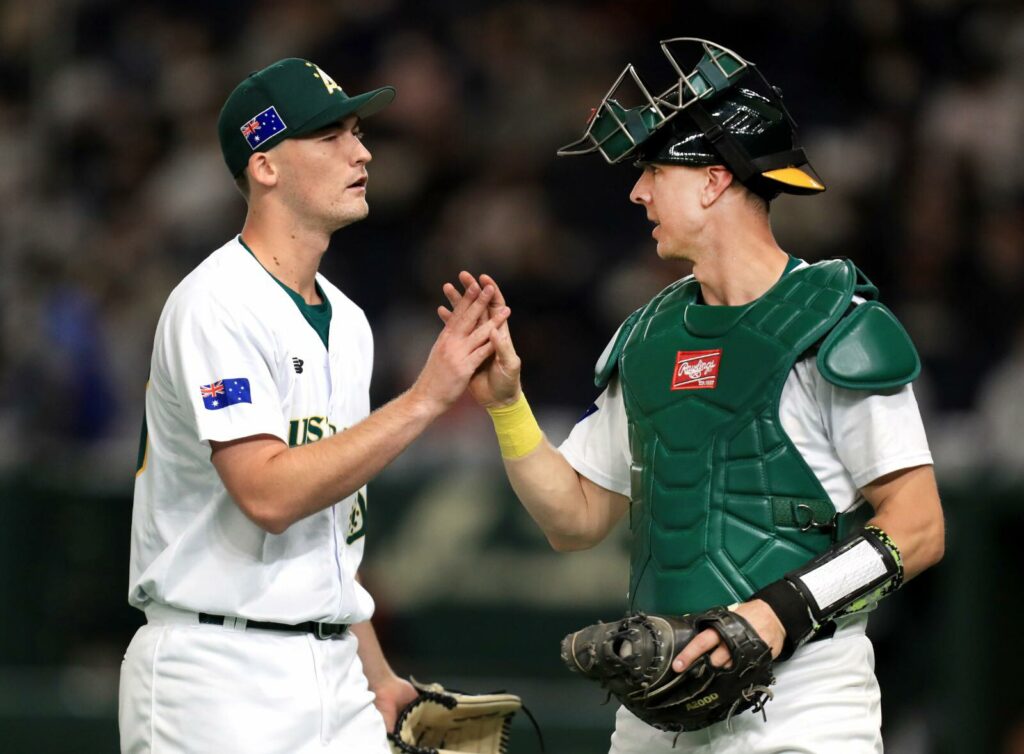
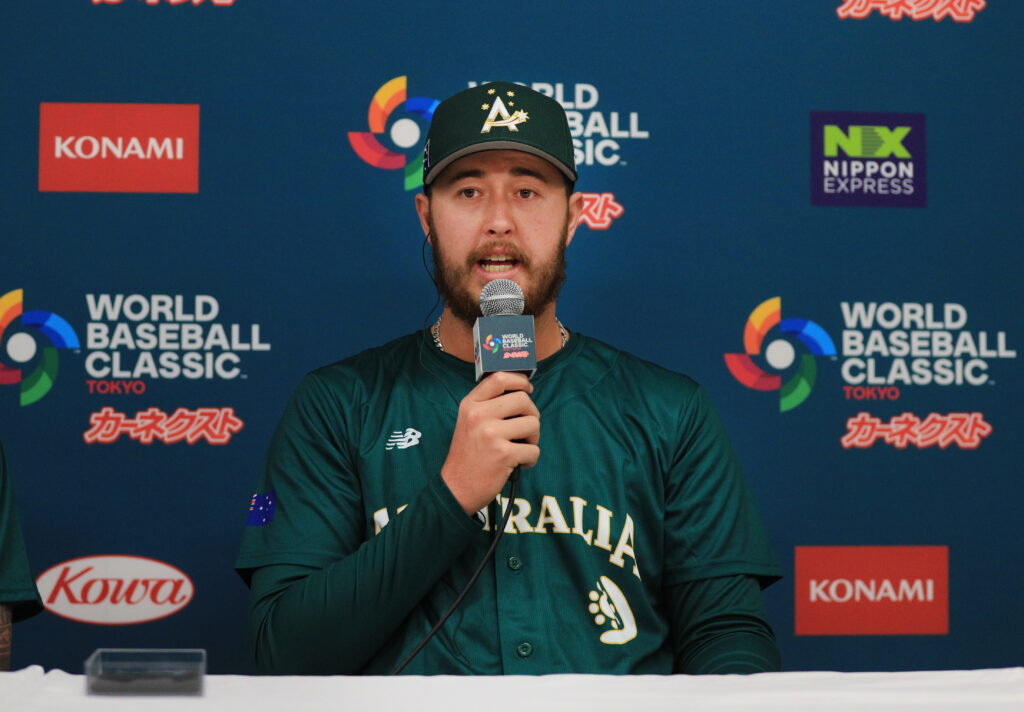
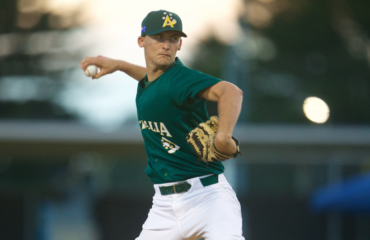
Steven Kent starts to cry during an interview in the club rooms. Happy tears, of course.
“I get emotional thinking about it,” says a choked-up Kent. “We’ve all worked our entire lives to get to this point. I just think that we all just believe.”
He gets teary again.
“This is really hard to talk about. But really cool,” he says. “Outside these four walls there may not be a lot of people who believe in us, but it doesn’t matter what happens out there because all that matters is what happens inside these walls. We expected to be here.”
The 33-year-old is one of the most popular and respected pitchers in Australian baseball. He has been part of the national program since 2007, played in two previous World Baseball Classics, won a Claxton Shield, and been part of all 12 Australian Baseball League seasons.

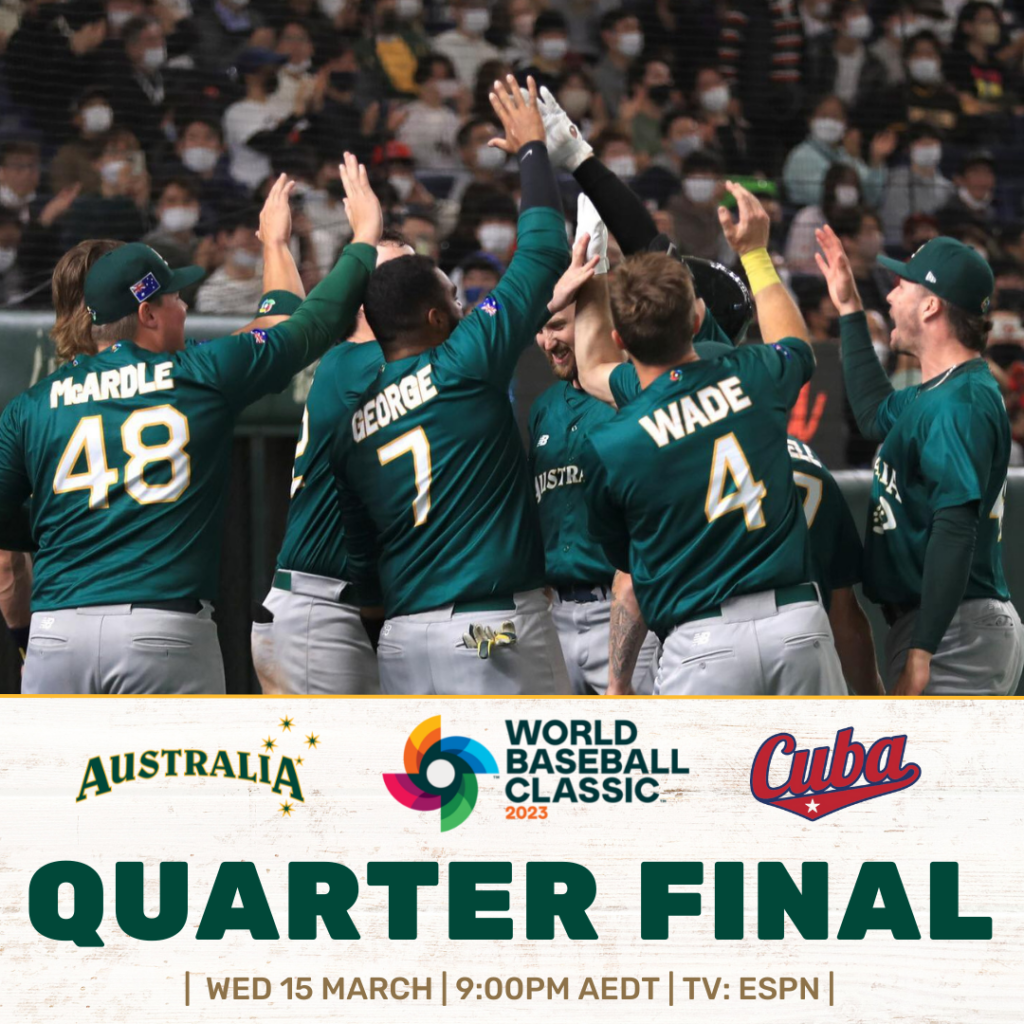
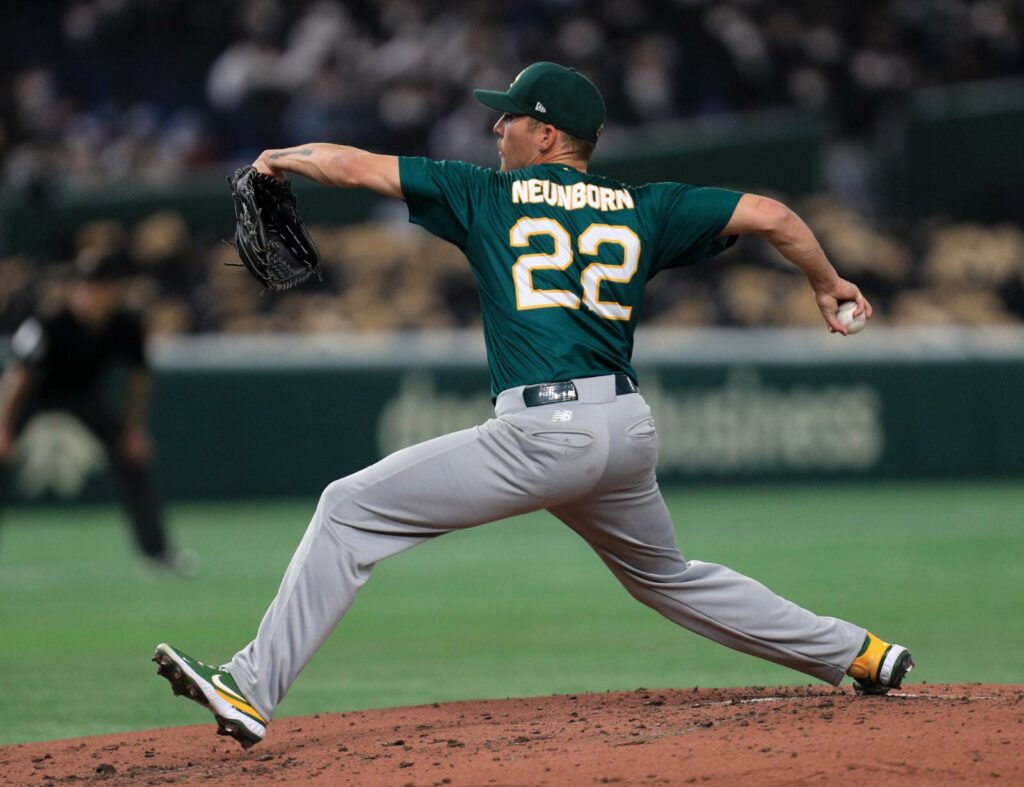
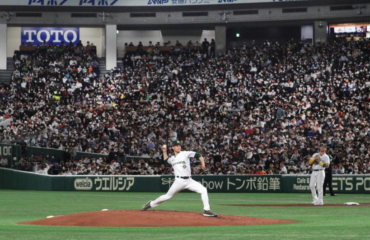
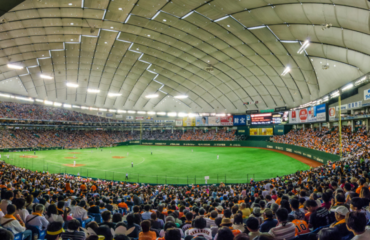
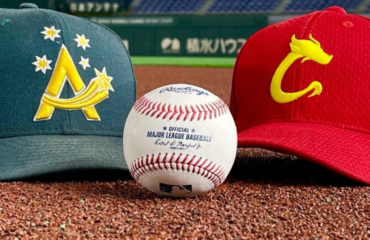
It’s only fitting that an Australian baseball warrior in Kent gets the start Wednesday night vs Cuba in the World Baseball Classic quarterfinals at the Tokyo Dome.
If Australia wins, they jump on a charter plane to Miami immediately following the game to play in the semi-final.
Kent is emotional not because he is nervous. He is emotional because he says he appreciates every little moment which led Team Australia to this point. He’s emotional because he says he knows Australia deserves to be in this position. It’s not an accident.
After the game, he tweeted: “We’re not surprised, and you shouldn’t be either.”
Maybe he’s fighting back tears because he knows the belief that he’s held his entire life is totally justified. They say seeing is believing – and Australia is in the Final 8 of the biggest baseball tournament on the planet.
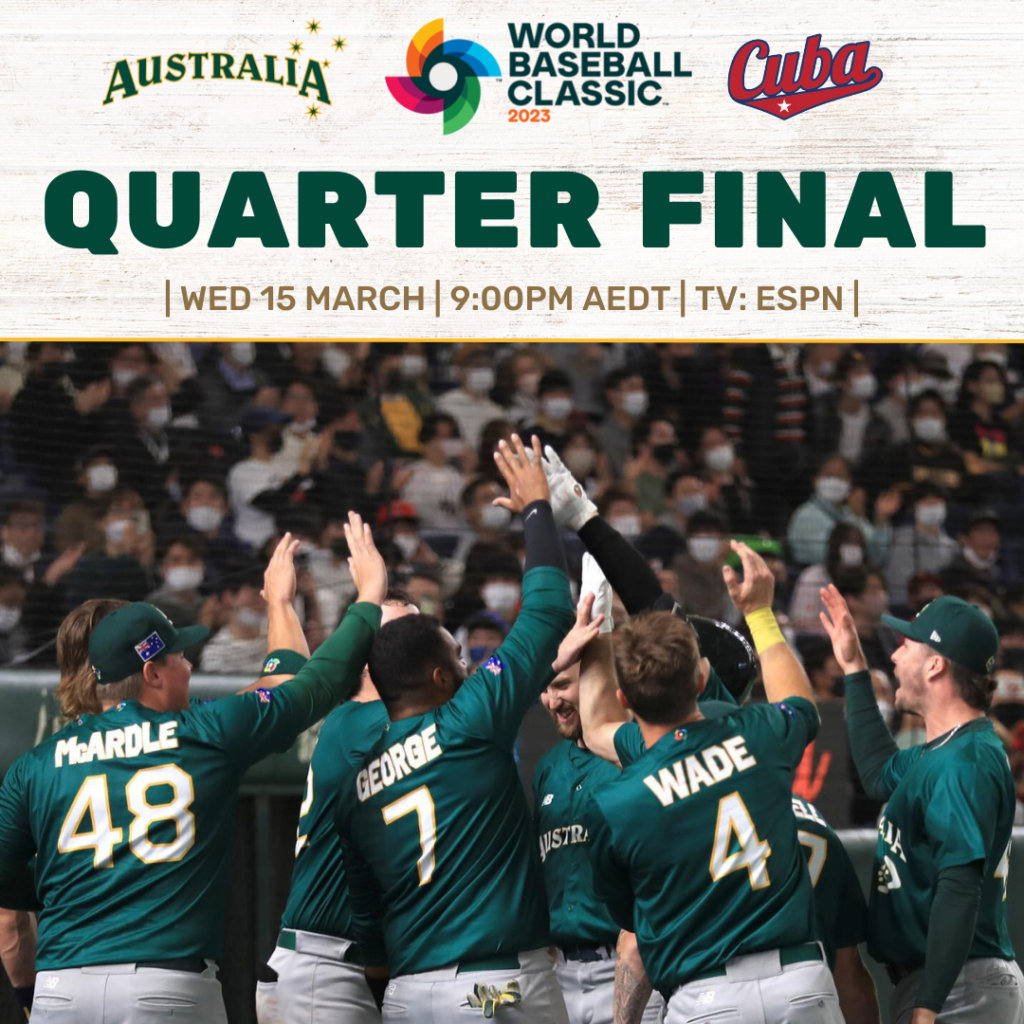
INFORMATION: Cuba vs Australia – Click here.
“It starts with our manager Dave Nilsson,” says Kent of his coach and Australian MLB All-Star. “He believes that we are good enough to be the best tournament baseball team in the world and that we can beat anyone. And we believe it too.”
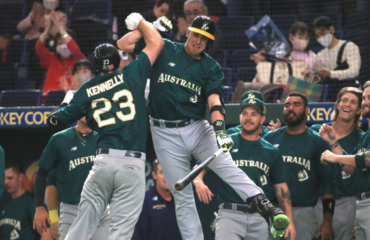
Co-captain Tim Kennelly feels it as well. Kent and Kennelly are at their third World Baseball Classic together and this is the furthest they’ve made it.
He says playing for the Green & Gold is different than any other experience because you’re representing a small but mighty community, and all the players have such a similar experience.
“You’re representing your teammates. You’re representing your family and you’re representing your friends and everyone that follows Australian baseball back home,” Kennelly says. “A lot of kids are watching the games, there’s a lot of Australian Baseball League fans watching. It’s cool and if it’s something that they can aspire to be part of this team and know that the quarterfinals, the semifinals is not out of our depth and we can play baseball.”

If you ask any of the players, this moment is generations in the making. In fact, it’s past generations that helped make this moment.
Australia has quietly had significant moments in international baseball. They’ve already tasted the chocolates when they won a gold medal at the 1999 World Cup.
They won a silver medal at the 2004 Olympics, they won silver at the 2010 Women’s World Cup, they’ve finished second at the Under-23 World Cup.
Australia always seems to be right at the pointy end of tournaments in the junior ranks. Heck, Clayton Campbell pitched that no-hitter for Australia at the little leagues.
At pretty much every level, Australia has always been there for a long time.
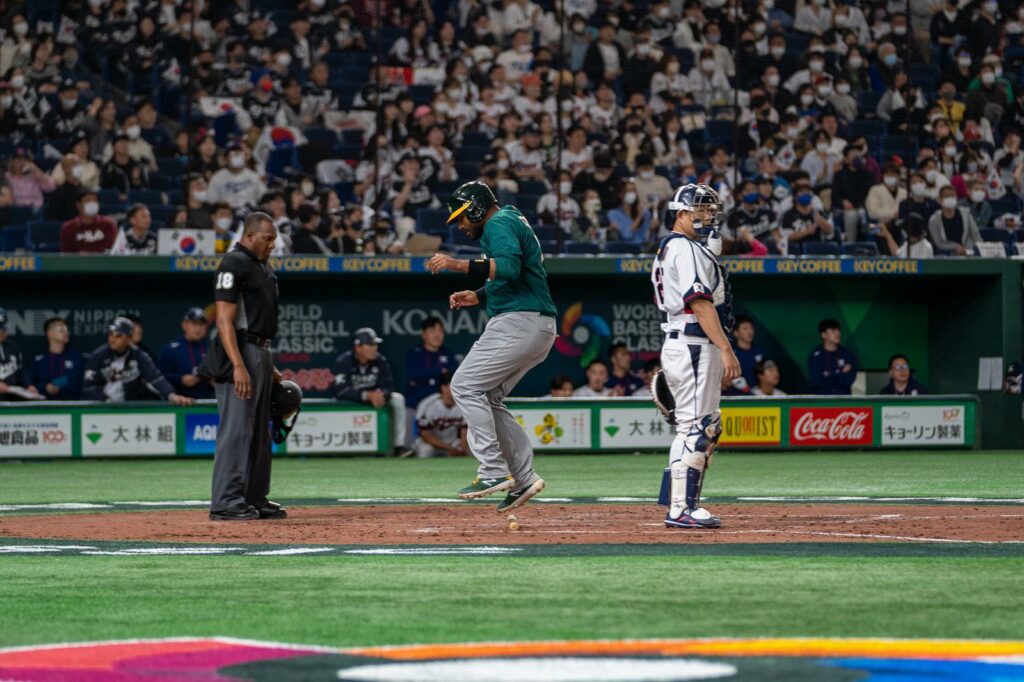
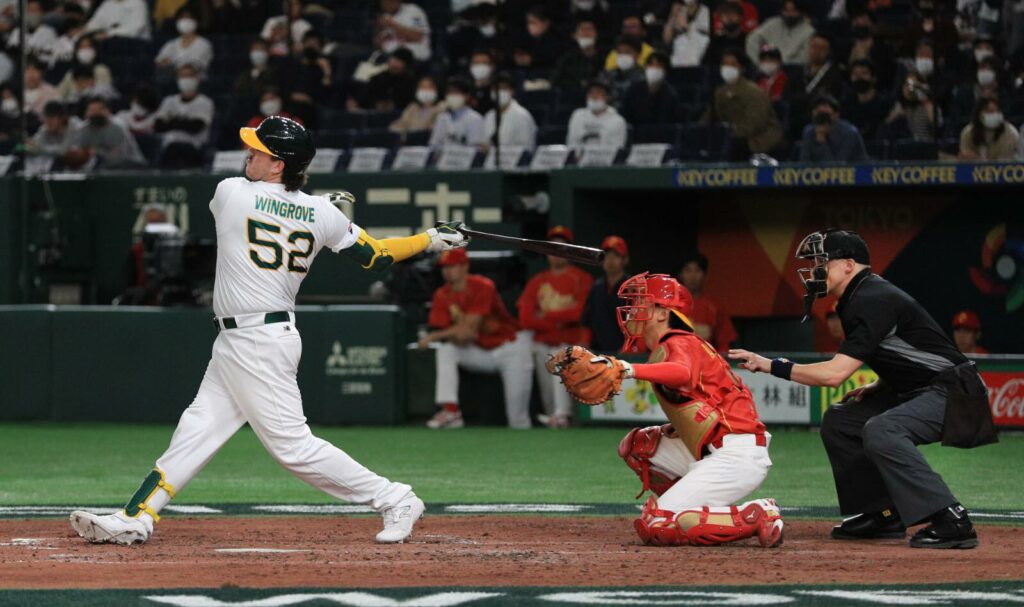
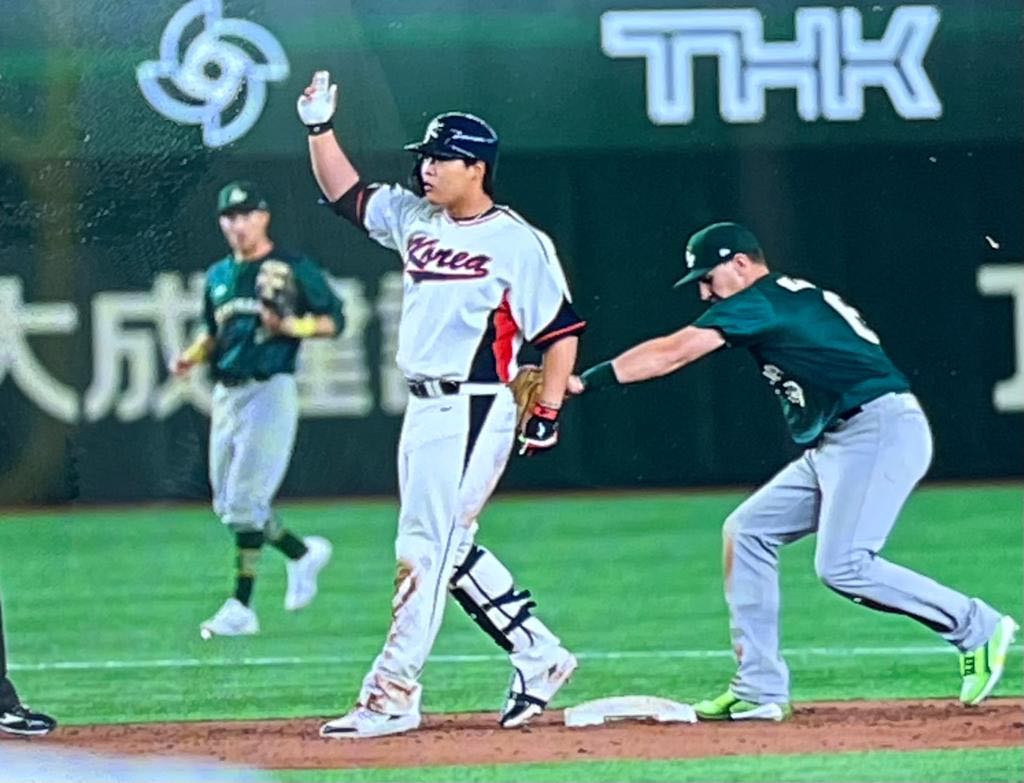
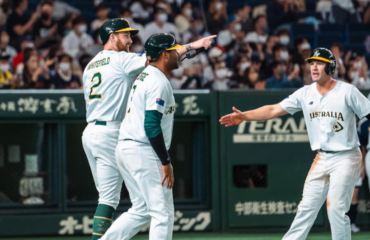
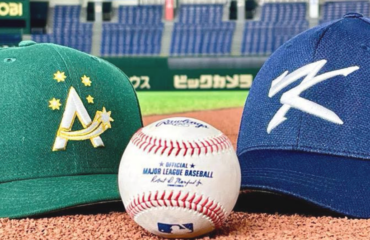
There’s been some narrow losses to baseball powerhouses – including two recent one run blows to Cuba. Australia has always been right there. That’s why, when they beat Korea 8-7 in the tournament open – it was such a relief. Australia is “there” and players know it.
Finally, at this tournament, Australia has broken through to the final eight. Maybe Steve Kent was feeling all the heart-break and close calls he’s experienced with his Aussie baseball brothers.
The Aussie baseball family attitude is even reflected on the Australian baseball jersey. The Indigenous emblem on the chest signifies the sharing of stories, experiences and information of baseball stars past and present.
Australia quite literally carries its past on their chest in the thick of a game.
“Anyone that’s worn this jersey and represented Australia has meaning to the team,” says Kennelly. “They’re all the reason why we are here.”
Missed a story? Visit us at www.baseball.com.au/wbc23
Past Australian baseball stars were watching nervously when their country beat the Czech Republic to seal Australia’s spot.
Travis Blackley was nervously tweeting the game, Pete Moylan got a word in, Luke Hughes was noticeably pumped up, Glenn Williams was watching nervously in the stands. Liam Hendriks has been actively sharing stories on social media and has been in contact with the players.
Those five players are just some of many players who have come before that helped inspire this group, just like this group is inspiring now.
And this playing group is talented. Dave Nilsson pointed it out in a press-conference.
“First off, we have good players and we prepared well,” he says.
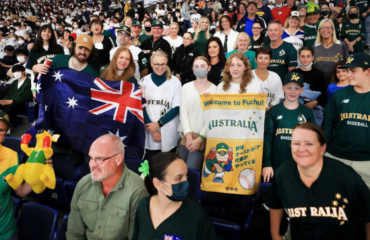
He’s right. Australia does have good players. They play against other good players. And they prepared very well in a grueling 10-day training camp in Fuchu before the tournament.
Kent says because of that he wasn’t surprised by Australia’s performance.
Eleven of Australia’s players have MLB affiliate contracts. Fifteen have played in Triple-A or higher. Two have played in the Major Leagues. Another has played in the Japanese Big Leagues.
All thirty players compete in the Australian Baseball League – one of the most underrated leagues in the world.
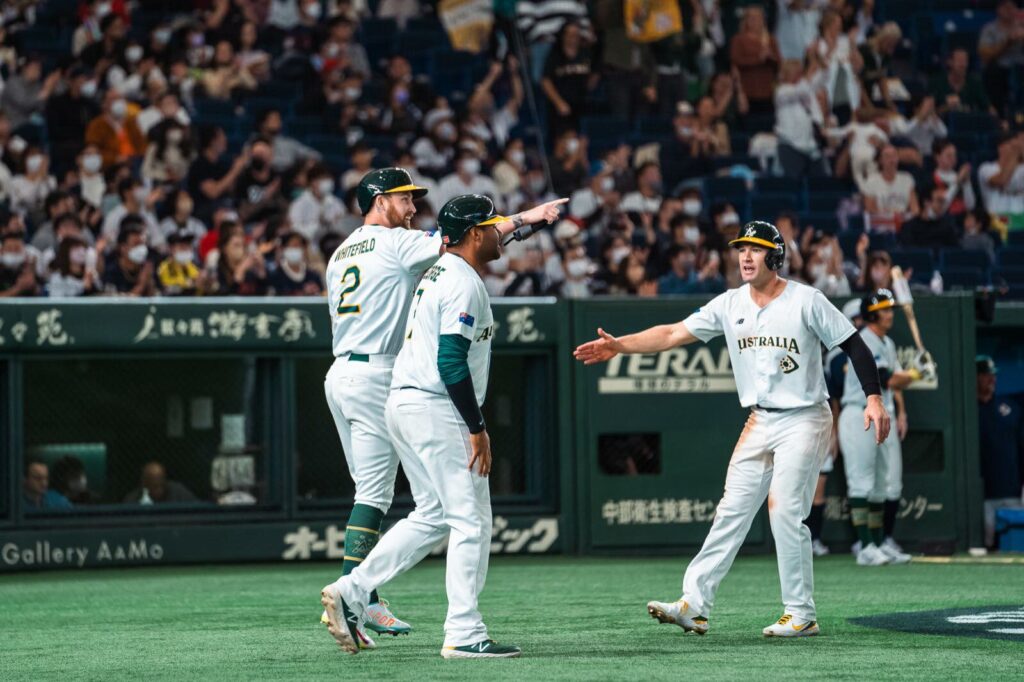
Steve Kent says this run could help garner respect of Australian baseball on the international stage.
“We have plenty of big-name players that come to the ABL,” he says. “It goes to show that over the years we’ve gone from strength-to-strength. That’s shown by the quality of players we get to come over and with raising the standards that’s pushing Australian baseball players to play to that level. We’re getting better too.”
Look at the past ABL Championship series – it was loaded with talent. World Series winners Josh Reddick and Pete Kozma took the field for the Heat. A top prospect in Junior Caminero threatened with the bat. Six-year big leaguer Mikey Martinez roamed the infield.
A Round 10 series between Perth and Melbourne had nine big leaguers involved.
Other big name imports to come to Australia include the likes of Didi Gregorious, Rhys Hoskins, Ronald Acuna Jr, Logan O’Hoppe and Japanese pitcher Shota Imanaga, to name a few.

Shota Imanaga in Canberra
It’s not a walk in the park for overseas stars either. Gregorious hit .189 in his time with the Canberra Cavalry. Josh Reddick, a World Series winner, was hitting less than .200 until late in the season. Logan O’Hoppe hit .273 in his season in Adelaide – he’s looking like Shohei Ohtani’s catcher with the Angels.
The Australians compete. No, the Australians thrive.
Australians like Liam Hendriks grew up playing club ball and then for the Perth Heat. One of baseball’s top prospects, Curtis Mead, is an Australian playing for Adelaide. Aussie big leaguers like Pete Moylan, Ryan Rowland-Smith, Trent Oeltjen, Warwick Saupold, Aaron Whitefield and Justin Huber all regularly played.
All those big names have the same experience of growing up as an Australian baseball player. They grew up with mum and dad driving them to a local club team, they rose the ranks, they played in the Australian Youth Championships, they played in their respective State Leagues, they played in the ABL, they went to academies together.
For Warwick Saupold, that’s what makes the World Baseball Classic experience even greater than his MLB-time.
“We’re all mates, that’s more of it,” says Saupold. “You play in the States and you might know guys in the system and then you play in the Big Leagues with them. But it’s [not the same].”
“In Australia, you grow up playing juniors with them, you go through the ranks with them, and then you get to the men’s team together and you know you’re here for a reason.”

Jack O’Loughlin (right) stands next to Alex Hall at the U13 World Cup in 2012. They are both teammates now on the senior national team at the WBC.
Saupold – now 33 – has been on a long baseball journey with many of his teammates. One of them is Steve Kent.
The two of them went to an elite baseball academy together as teammates and are now about to pitch in their third World Baseball Classic as a pair.
“It’s just different when you go through the system with them all. It’s a different feeling because we’ve all been through such a similar experience,” he says.
Australians may not play 162 games against line-ups nine-deep of the world’s best, but they do compete against the world’s best on a regular basis.
To put it simply, and in the words of Steve Kent – Australia belongs in the same breath as the likes of baseball giants like Cuba and Korea.
“Every team that’s left now in the quarterfinals, everyone is obviously a really, really good team. Cuba is no different,” says Kent. “For a number of years now they’ve been one of the really big powerhouses in international baseball. But we believe we are, too.”
Regardless of the outcome of Wednesday’s battle in front of a massive global audience, Australia has proved they belong with the world’s best.
A win over world number 4 Korea, three wins in the tournament, and a place in the quarterfinal. Who knows? Maybe a trip to Miami is on the cards…
“We belong in that conversation.”